Commuting to and from work by car is a daily routine for most people. Many people are also required to be on the road to a jobsite, client site, the shop, the parts supplier, or anything in between. One thing that is often overlooked is that driving is one of the leading causes of workplace fatalities. According to the Insurance …
The Business Case for Becoming a NETA Accredited Company
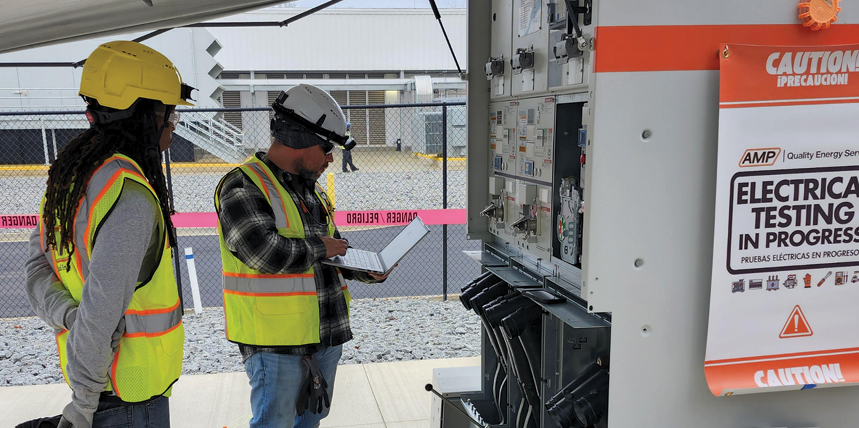
Recognized throughout the industry as the gold standard for electrical power system acceptance testing and maintenance, NETA Accreditation validates both a company’s technical capabilities and its commitment to safety, quality, and independent service. NETA Accredited Companies (NACs) play a vital role in advancing electrical power reliability and safety through third-party, independent electrical testing services. Critical facilities, commercial enterprises, industrial plants, …
Designing Adaptive Trip Logic for Large Generators
Large generators, such as coal-fired and nuclear, are grounded through a high impedance to limit fault current flowing in the stator winding during ground faults. The high impedance is a resistor located across the secondary winding of a single-phase distribution transformer connected from the machine neutral to ground. Large generators typically have a main set for protection and a backup …
On Surge Arresters and Power Factor
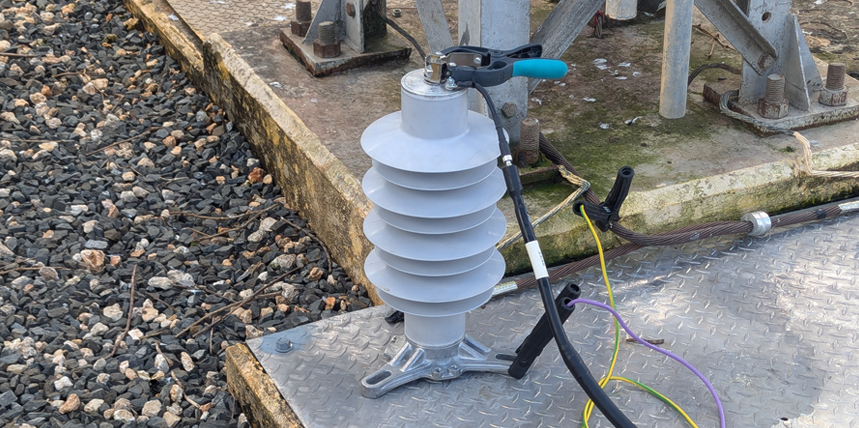
If you’ve done power factor testing, you will have noticed that while said testing yields multiple valuable parameters—e.g., watts loss, capacitance, total current, etc.—power factor itself gets the most attention. Indeed, power factor is a critical indicator of electrical equipment performance. However, an important exception to this claim exists, and it exists for surge arresters. Power factor is the ratio …
History Does Not Repeat Itself, But It Rhymes
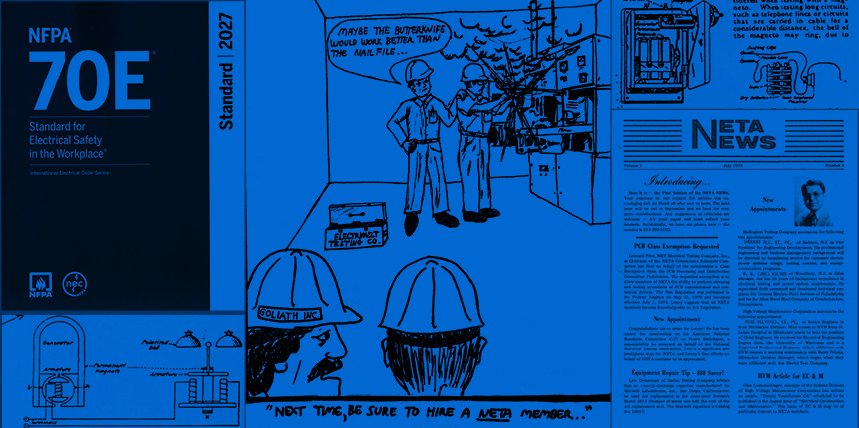
Often attributed* to Mark Twain, the phrase “History does not repeat itself, but it rhymes” seemed appropriate as we look back on our electrical journeys. The 2027 edition of NFPA 70E was recently approved, with an effective date of May 6, 2026, and we are excited about the improvements and enhancements to this very important electrical safety work practices standard. …
Stephanie Patterson: Learning, Leadership, and Lasting Impact
This issue of NETA World’s “Insight and Inspiration” series features Stephanie Patterson, Senior Manager, External Training & Partnerships, at Qualus. Patterson leads the strategy, development, and execution of training programs that support industry professionals, clients, and partner organizations. Her responsibilities include managing training initiatives, building and maintaining strategic partnerships, identifying new training opportunities, and ensuring the delivery of high-quality learning …
Meeting the Challenges of a Changing Power Landscape
The electrical industry is in the midst of its most significant transformation in a generation. The rapid growth of EV charging infrastructure, the integration of renewable energy resources, the proliferation of data centers, and the increasing complexity of the modern grid are all reshaping the environment in which our members work every day. This issue of NETA World addresses that …
Electrical Hazard Risk Assessment on EV Supply Equipment and Chargers
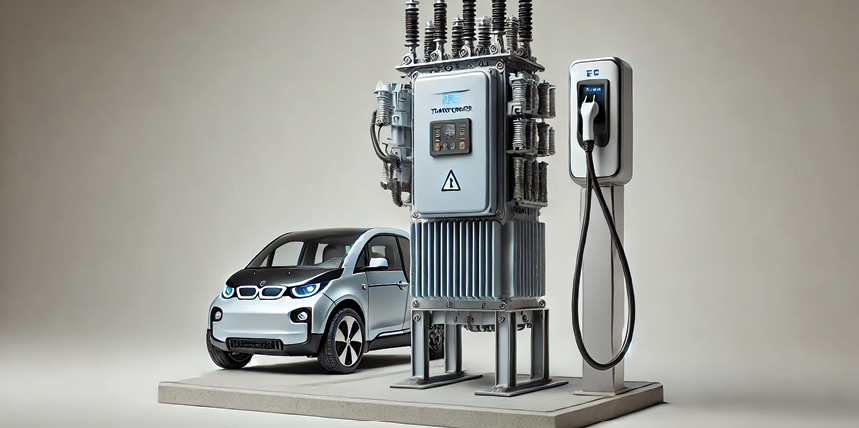
Electric vehicles (EVs) are a large part of the traffic infrastructure due to the industrial revolution in electrical technology and the paradigm shift in the motor vehicle industry. To support this rapid growth in EVs, the charging infrastructure would need to be designed and implemented at scale. This phenomenon has caused an explosive growth in the design, development, and construction …
Demystifying On-Line Partial Discharge Monitoring
Reliability and safety are words that come up frequently when discussing modern power networks, and for good reason. Electrical systems today are carrying higher loads, operating with tighter margins, and supporting facilities such as data centers and industrial plants, where downtime is not an option. As a result, operators are placing greater emphasis on technologies that provide early warning of …
The Evolution of Standards to Support Advancing Grid Technologies
The electric power industry is undergoing the largest transition since widespread energization began more than a century ago. Inverter-based resources, data centers, and rapidly changing load profiles are exposing operating conditions that were never envisioned when many IEEE standards for machinery were originally developed. As a result, IEEE and other standards organizations are revising existing standards while developing new guidance …