Industrial electrical networks and utility grids share common elements: transformers, circuit breakers, protection relays, busbars, and insulated cables. Despite this, they differ profoundly in architecture, criticality, fault exposure, maintenance philosophy, and diagnostic strategies. A failure in an underground cable is more than the physical or functional loss of an electrical component; it can abruptly interrupt a continuous industrial process or …

Smart Monitoring Brings Power Quality Clarity
Power quality is a cornerstone of reliable electrical service, particularly for large commercial and industrial customers. Poor power quality can lead to costly disruptions, equipment damage, and operational inefficiencies, making it essential for utilities to ensure consistent and clean power delivery. According to the Electric Power Research Institute (EPRI), poor power quality costs U.S. businesses more than $145 billion annually. …
When the Grid Becomes the Load: Power Quality In the Energy Transition
Power quality investigations commonly begin with events such as equipment trips, overheated transformers, unexplained relay trips, or electric machine failure. We measure voltage and current and evaluate harmonics, unbalance, transients, power factor, and other conditions to determine their effects on equipment. That work remains necessary. Changes in generation, distribution, storage, and power electronics require us to examine more of the …
Power Quality Risks: Industrial vs. Utility
Maintaining power quality is a shared goal of utility power systems and industrial and commercial electrical infrastructure. However, the responsibilities and methods for achieving this objective differ substantially. Utility providers focus on ensuring reliable and efficient transmission and distribution of electricity to the grid, while industrial and commercial facilities prioritize power quality to protect sensitive equipment and maintain operational continuity. …
Managing, Operating, and Optimizing Electrical Infrastructure in Oil and Gas
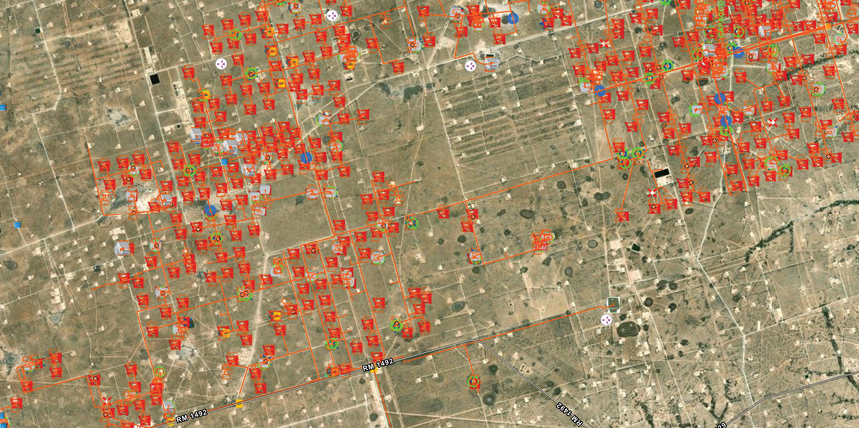
Oil and gas companies and their associated utilities require strategic geospatial solutions to enhance oversight of electrical infrastructure. Integrating geographic information systems (GIS) with power system analysis software enables real-time asset visibility, improves operational safety, and supports data-driven planning. Industry studies and field implementations have demonstrated significant operational benefits, including reduced data retrieval times, improved maintenance efficiency, and enhanced system …
An Introduction to Microgrid Systems
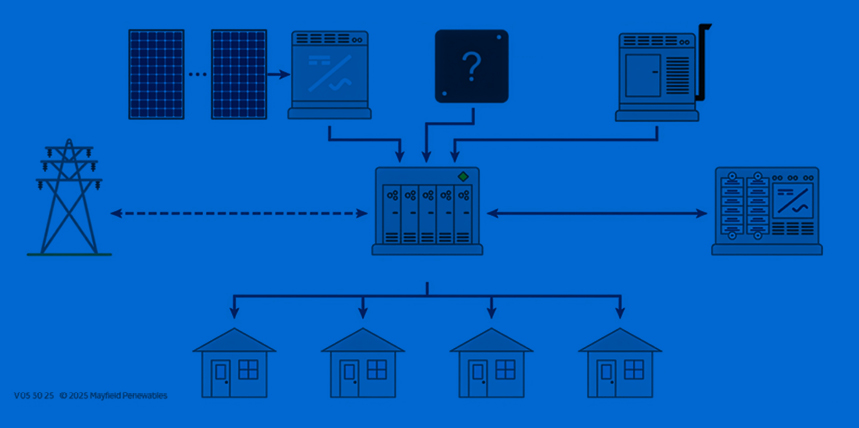
Within the commercial and industrial renewable energy sector, few terms have garnered more attention lately than the system label “microgrid.” This article provides an overview of microgrid fundamentals: what a microgrid is and what it can do. WHAT IS A MICROGRID? The answer depends on who is asking and answering. From our experiences, we’ll stipulate that most microgrids share these …
Enhancing Cybersecurity in the Energy Grid: From Monitoring to Engineered Resilience
The energy grid is becoming more connected, intelligent, and operationally dependent on digital systems every year. As utilities modernize infrastructure, integrate distributed assets, expand remote operations, and adopt data-driven tools, cybersecurity is no longer a support function on the sidelines of grid reliability; it’s part of the reliability mission itself. In my work around operational technology (OT) cybersecurity, one thing …
Digital Substation Application Concepts For IBR Renewable Energy Plants
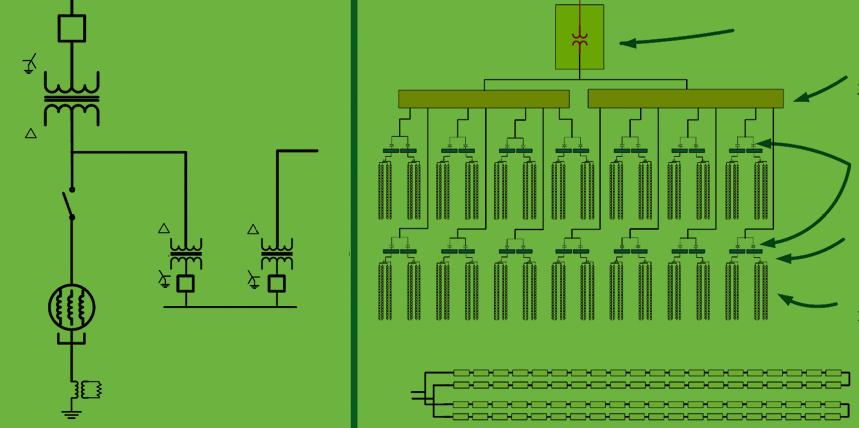
With the fast-tracked planned installations of utility-scale inverter-based resource (IBR) power plants to the bulk power system, utilities, consultants, EPC contractors, and developers are all seeking methods to standardize protection and control (P&C) designs to hasten project execution. Many of these power plant designs incorporate a high-voltage (HV) section or sections, a pooling bus (PLB) section or sections, and collector bus …
When Diagnostics, Testing, and Field Services Come Together
Sigma C and MVA Collaborate to Help Avoid a Prolonged Outage In today’s power industry, maintaining transformer reliability requires more than a single test or diagnostic technique. The most effective asset management programs combine oil analysis, electrical testing, engineering evaluation, and field service expertise to provide a complete picture of equipment condition. A recent project at a customer generation plant …
ANSI/NETA Standards Update
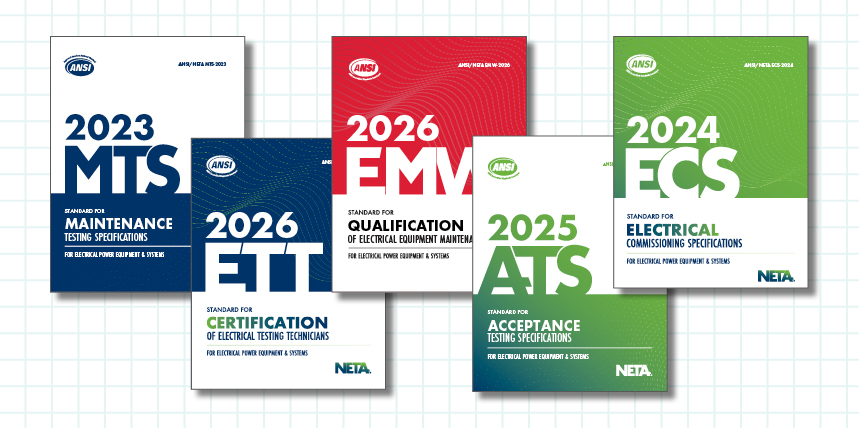
ANSI/NETA MTS–2023 REVISION UNDERWAY The revision of ANSI/NETA MTS-2023, Standard for Maintenance Testing Specifications for Electrical Power Equipment and Systems, is underway with an anticipated completion and publication release in March 2027 at PowerTest 2027. This revision introduced a new Working Group model, bringing together subject matter experts from across the electrical testing industry to conduct early-stage comment review and …