


OK, let’s be honest. When you pull NFPA 70E off the shelf, it’s not exactly something you look forward to reading for entertainment. Yes, it matters. (It matters a lot!) But it’s not built to grab your attention or stick with you. And that’s not a knock on the standard. Consensus standards like NFPA 70E serve a clear purpose: to …
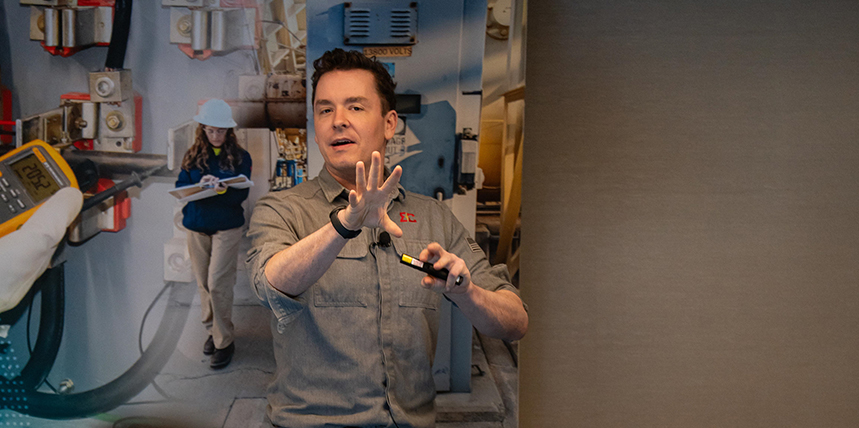
Matt Robinson: Lifelong Learner, Enthusiastic Teacher, Humble Instructor
This issue of NETA World’s “Insight and Inspiration” series features Matt Robinson, Director, Safety and Training at Sigma C Power Services. His current role includes the safety and well-being of all personnel within the organization and the responsibility for safe, high-quality operations of the company. In addition to safety, Robinson’s duties make him responsible for the technical and professional development …

NETA: Standing for a Higher Standard
This Summer edition of NETA World arrives at a pivotal moment for our industry. Demand for electrical testing and commissioning has never been higher, expectations have never been greater, and the pace of change continues to accelerate. Across every segment, from data centers to grid modernization, we are being asked to do more, move faster, and deliver with absolute precision. …

Rethinking Job Briefings in the Electrical Power Industry
Every day, thousands of electrical workers across the country begin their day with a job briefing. In theory, these briefings represent a critical safety checkpoint, a moment for crews to pause, assess hazards, and plan their work before beginning hazardous tasks. In practice, many job briefings have become something far less valuable: a paperwork exercise. The evolution of job briefings …

Passing the NETA Exam: Train Don’t Cram
I sat down for my NETA Level 4 exam and immediately realized I was in trouble. The first question, I didn’t know the answer. The second, totally clueless. After working through nearly twenty questions, I finally found one I could confidently answer. That is not a great feeling when you are supposed to be operating at the highest level in …

The New Business Model and the Old Delivery Playbook
The energy sector has entered an era defined by speed, scale, and continuous delivery. Data centers, renewables, and grid modernization programs demand faster project cycles and higher utilization of field resources. In response, business models have shifted toward volume-driven delivery, aggressive schedules, and increasingly distributed responsibility. However, many project management practices—particularly those governing field execution—remain rooted in legacy delivery models …

Create a Winning Culture
In today’s tight labor market, retaining top talent is a challenge, especially as some firms race to the top with salary offerings. The data center market expansion and the onshoring of our country’s manufacturing base have created unprecedented demand. Project timelines continue to compress, requiring more man-hours in a shorter duration of time to complete work that just a few …
Skilled Trades Survey: 5 Key Takeaways for Organizational Leaders
Tens of millions of people work in the skilled trades in the United States. A survey recently conducted by NFPA® sheds light on major trends across these industries, from the anticipated impact of artificial intelligence (AI) in 2026 to tradespeople’s desire for more education and training opportunities. The survey, conducted virtually between October 27 and November 3, 2025, gathered responses …

Equipment Deficiencies and Return to Service under NFPA 70B
When electrical equipment is designated as non-serviceable, a natural question follows: What comes next? From the standpoint of NFPA 70B, Standard for Electrical Equipment Maintenance, this is a legitimate concern. While the standard provides clear criteria for classifying equipment as serviceable, limited service, or non-serviceable, it offers limited guidance on how to return that equipment to normal operation once deficiencies …
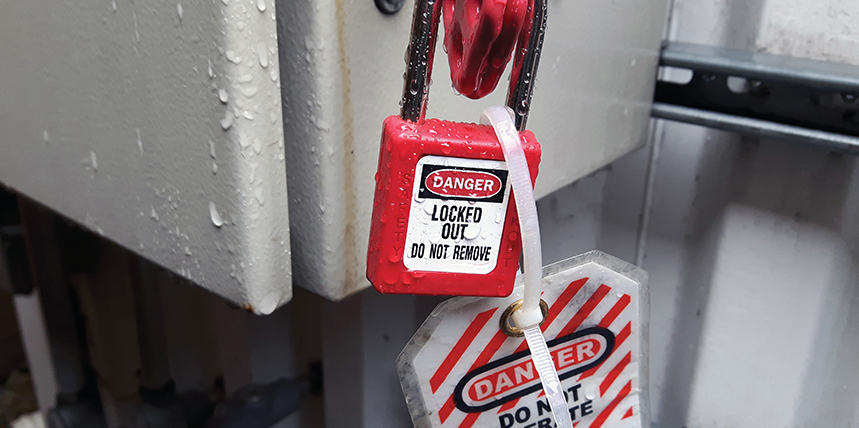
Is Your Electrical Safety Intentional?
A proper safety program will be intentional, but what does that really mean? Let’s consider the ground circuits installed in homes and businesses. For normal operation, zero current will be flowing in the grounding conductors. By code, we are required to intentionally install a grounding circuit that we hope will never be used for current, and many measures are in …