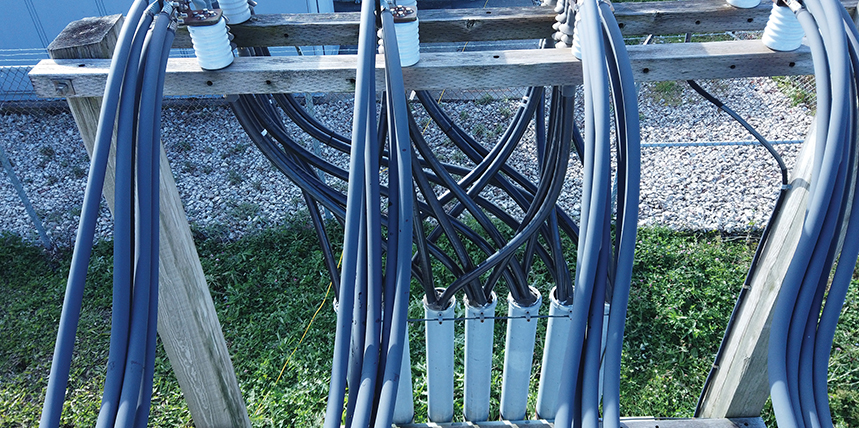
ANSI/NETA Standards in Data Center Acceptance Testing

Robert Hill, Vector PowerFeatures, Spring 2026 Features

The rapid expansion of AI-driven data center construction has introduced new challenges to an already demanding electrical testing and commissioning industry. Data centers are being built at an unprecedented speed and scale, driven by the growth of artificial intelligence workloads, cloud computing, and global demand for uninterrupted digital services.  Accelerated schedules, dense electrical infrastructure, and heightened performance expectations now place …

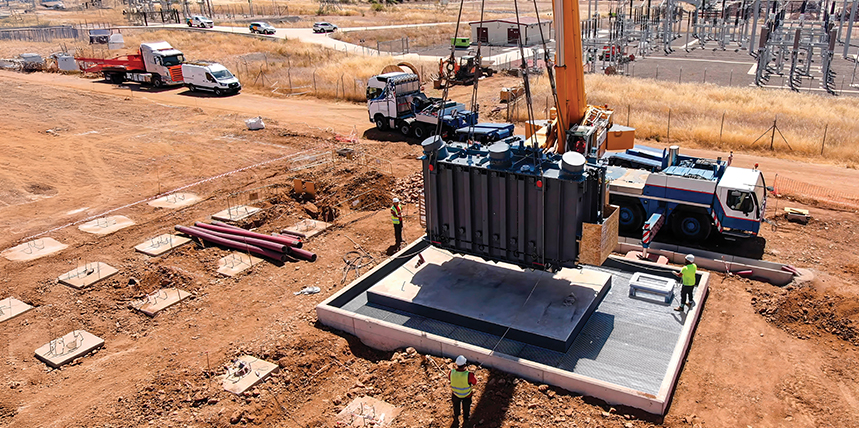
Improving Connections: Transformer Factory Acceptance and Field Commissioning Tests

John J. Foschia, Doble EngineeringFeatures, Spring 2026 Features

It is often observed that discontinuities exist between factory acceptance and field commissioning tests of power transformers. Ideally, the two test sessions are well-coordinated, allowing measurements captured at the transformer manufacturer to be easily replicated once the transformer is prepared for service.  No two transformers are identical, and if segments of a transformer’s history are unavailable, those responsible cannot make …

Upgrading a Line Relay Without an Outage

Bibek Karki, IPS PowerServeFeatures, Spring 2026 Features

With electromechanical and solid-state protective relays now obsolete and nearing the end of life, upgrading to microprocessor counterparts is paramount for the reliability of power systems. Microprocessor relays provide advanced communication, monitoring, and automation capabilities along with all basic protection and control platforms.  Raising awareness among customers about the importance of a relay upgrade is vital in the overall contribution …

Detecting Insulation Degradation Using DFR: A Case Study

Yash Godhwani and Chanakya Patel, MeggerFeatures, Spring 2026 Features

Medium- and high-voltage cables are among the most vital electrical assets in modern power systems, delivering electricity to millions of households year-round. Yet, when it comes to diagnostic testing during commissioning or maintenance, many cables remain untouched with modern diagnostic tools.[1]   Dielectric frequency response (DFR), a well-known diagnostic technique in the transformer and oil-filled cable industries, measures dielectric losses …