

The rapid expansion of AI-driven data center construction has introduced new challenges to an already demanding electrical testing and commissioning industry. Data centers are being built at an unprecedented speed and scale, driven by the growth of artificial intelligence workloads, cloud computing, and global demand for uninterrupted digital services.
Accelerated schedules, dense electrical infrastructure, and heightened performance expectations now place extraordinary pressure on acceptance testing and commissioning teams. These teams are tasked with verifying that complex power systems are in an acceptable condition while identifying and resolving deficiencies without jeopardizing aggressive project timelines. While construction methods and delivery models continue to evolve, compliance with ANSI/NETA testing specifications remains critical to safety, reliability, and long-term system performance.
Over the past several years, data center construction has become one of the largest and fastest-growing segments of work for ANSI/NETA acceptance testing companies. Facilities that once took years to design and construct are now being delivered in months, often with multiple buildings simultaneously constructed on a single campus. As this trend continues, technicians are increasingly required to adapt to new construction strategies, modular designs, and off-site fabrication methods while maintaining the intent, rigor, and documentation requirements of NETA standards.
ACCEPTANCE TESTING
Acceptance testing is the first critical step in verifying proper system operation. During this phase, individual components and devices are tested to identify deficiencies such as loose connections, improper torque values, incorrect wiring, damaged insulation, or defective apparatus. These deficiencies are not uncommon on large projects where thousands of devices are installed under tight schedules by multiple contractors. Acceptance testing serves as the primary opportunity to detect these issues before the equipment is energized and placed into service.
On large data center projects, mismatches between coordination study documentation and installed equipment labeling are frequently encountered. Breaker designations, panel names, and feeder identifiers may differ between drawings, studies, and physical equipment. Correlating these discrepancies across hundreds—or thousands—of devices is a significant undertaking, yet proper coordination is essential to correct system operation. Incorrectly labeled or mis-coordinated devices can result in nuisance tripping, loss of selective coordination, or failure to clear faults as intended.
To meet schedule demands, many owners now elect to have switchgear assembled off-site and delivered as completed substations or modular skids. Medium-voltage and low-voltage skids are increasingly manufactured with breakers installed, cables pre-terminated, and protective devices programmed prior to delivery. While this approach reduces on-site construction time and improves quality control in a controlled environment, it introduces new challenges for acceptance testing once the equipment arrives at the data center.
Low-voltage modular skids (Photo 1) are typically mounted on elevated steel frames, often more than 12 inches above grade. This configuration can significantly restrict access for high-current test equipment, lifting devices, and test leads. Physical access limitations can make traditional primary injection testing difficult or, in some cases, impractical. One effective approach is to perform component testing on the warehouse floor before skid assembly. Testing breakers, protective relays, and other devices before assembly allows technicians to perform thorough inspections and testing without the spatial constraints imposed by the skid structure.
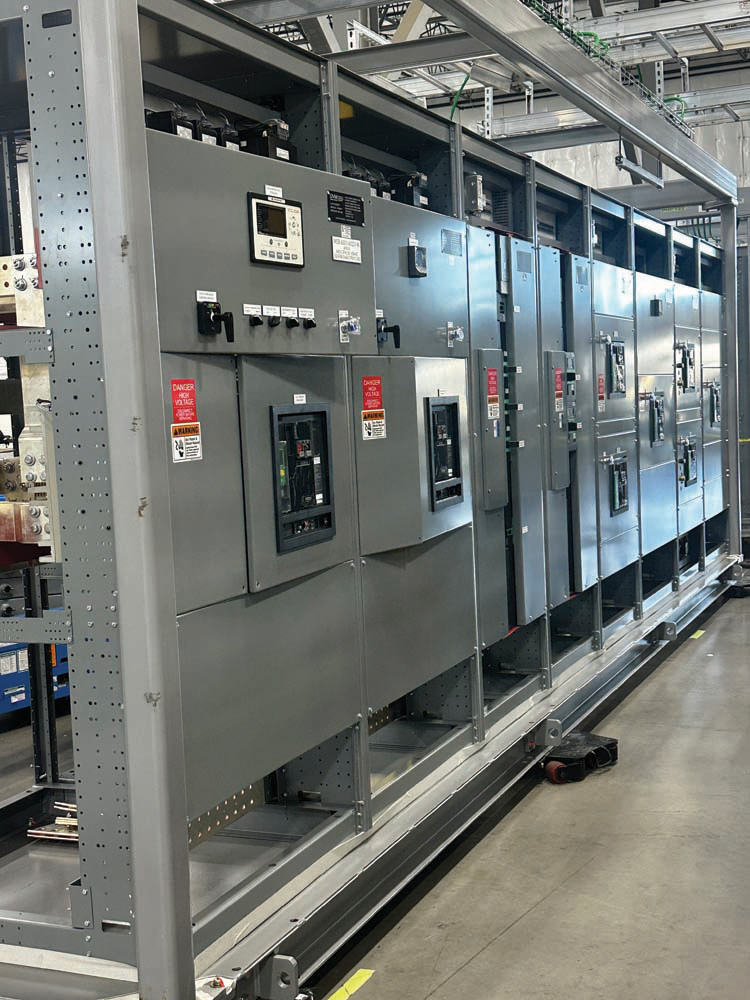
Photo 1: A Modular Skid Assembled in the Factory
After skid assembly, the common bus can be tested to verify continuity, proper connection of bus joints, and the absence of shorts or grounds. Acceptance testing performed at skid facilities is often faster, cleaner, and more efficient; however, it must be carefully coordinated with the owner, the engineer of record, and the testing firm to ensure that test scope, documentation, and responsibilities are clearly defined.
Testing equipment before final installation can reduce the effectiveness of acceptance testing if not properly managed. Errors introduced during final assembly, transportation, or field installation may go undetected if testing is completed too early. For this reason, the ideal scenario is to perform acceptance testing once equipment is installed in its final position and before it is energized. This approach ensures that any issues resulting from handling, installation, or final connections are identified and corrected.
Low-Voltage Circuit Breakers
When data centers contain thousands of low-voltage circuit breakers requiring primary injection testing, even a small failure rate can generate a substantial number of deficiencies. A one-percent failure rate across several thousand breakers may result in dozens of devices requiring repair, replacement, or further investigation. Reconciling these issues under aggressive schedules can quickly become overwhelming, particularly when equipment availability, replacement parts, or manufacturer support are limited.
Some clients do not approve of off-site testing or require all devices to be retested at the destination. In certain cases, bolt-in low-voltage circuit breakers (Photo 2a and 2b) cannot be removed once installed due to enclosure design or skid configuration. Removing these breakers can be extremely difficult and time-consuming, often requiring partial disassembly of the enclosure or surrounding equipment.
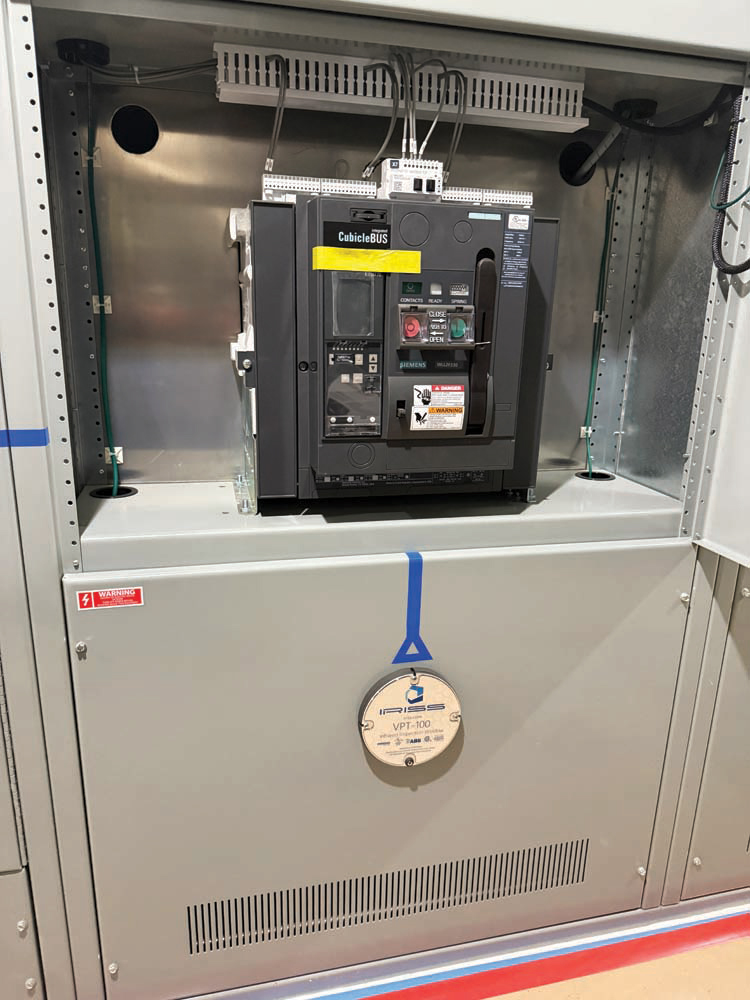
Photo 2: This bolt-in LVCB (a) cannot be removed due to the
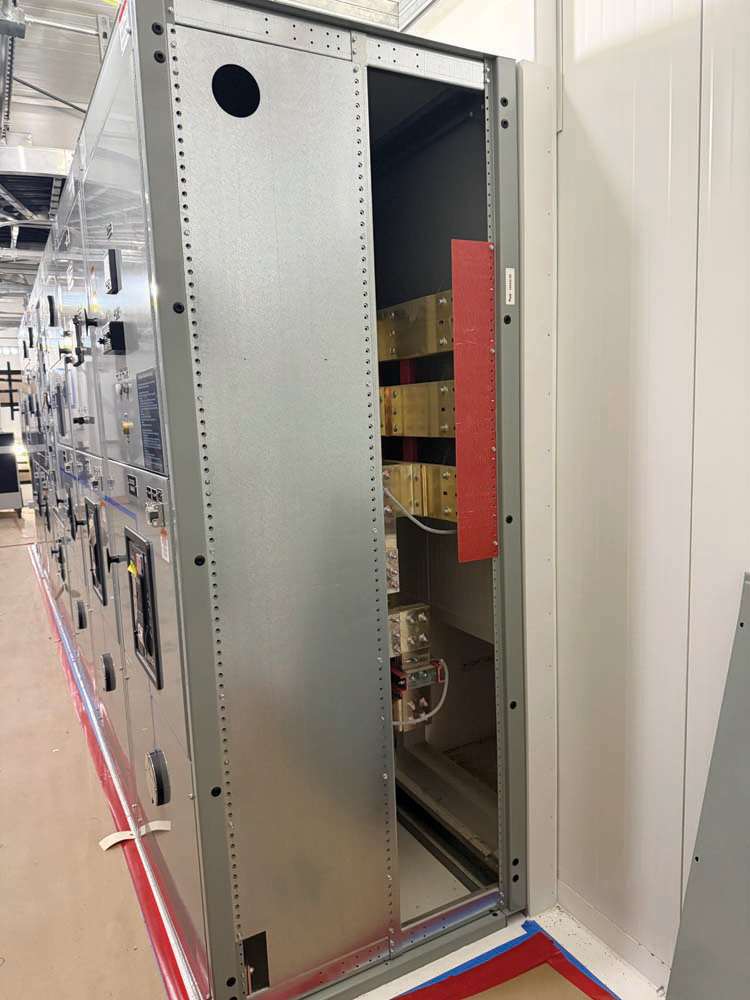
In these situations, and only with full client knowledge and approval, alternative test methods such as primary current verification may be considered. This method uses a smaller current source to verify current transformers and control wiring by measuring primary current at the trip unit, followed by secondary injection of the trip unit itself. Because this approach is not a NETA-approved test method, it must be clearly documented and approved by the customer as a deviation from standard testing requirements. The objective remains unchanged: Verify that equipment is functional, reliable, and safe to energize without causing damage.
Another major challenge in data center acceptance testing is verifying short-circuit and coordination settings across large populations of low-voltage circuit breakers (Photo 3).
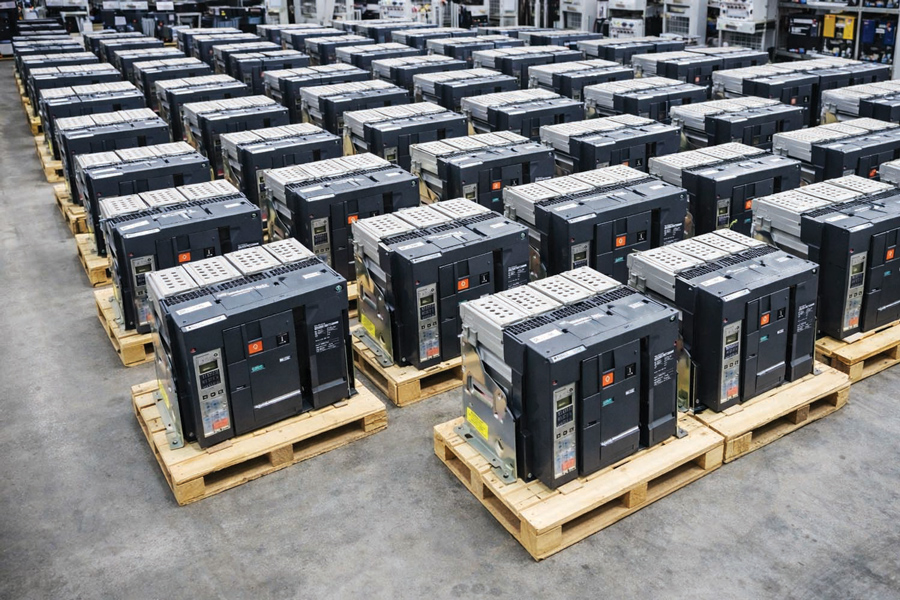
A single electrical room may contain hundreds of devices (Photo 4), and this number multiplies rapidly across a multi-building campus. While verifying breaker functionality is essential, improper coordination can result in nuisance tripping, loss of redundancy, or failure to isolate faults appropriately.
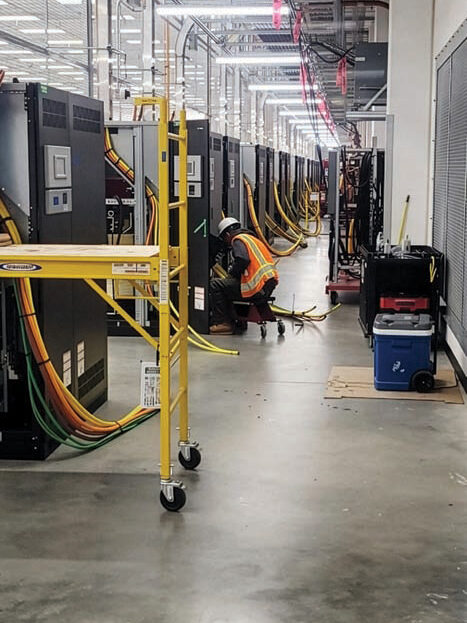
Photo 4: Numerous Power Distribution Units Installed in an Electrical Room
Faults
The destructive potential of electrical faults (Photo 5) is well documented. Even something as minor as a loose control wire can initiate a severe fault if it contacts an energized bus.
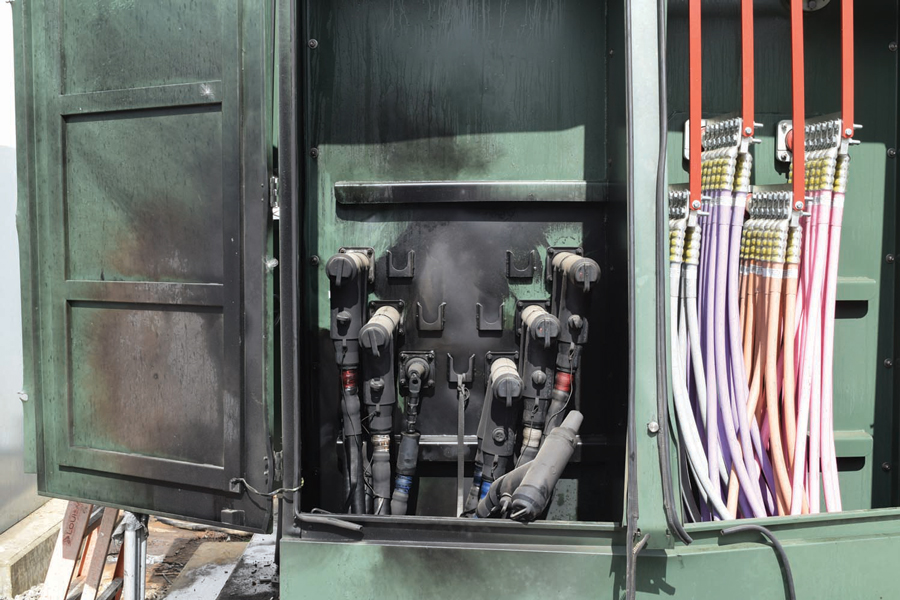
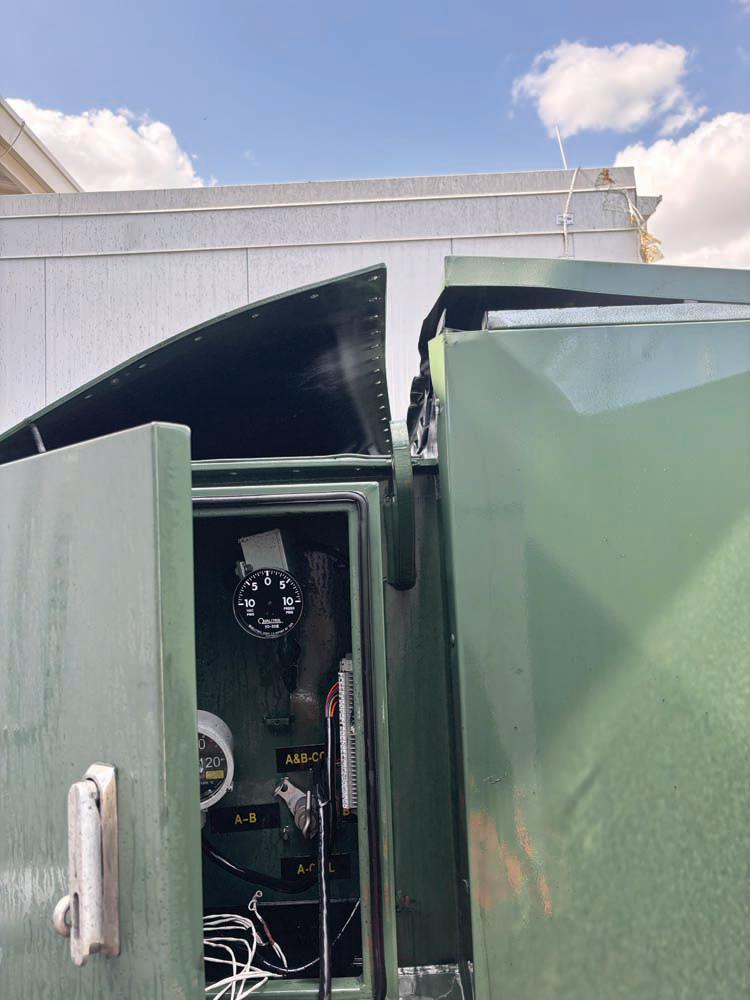
Internal faults within switchgear or transformers can cause extensive equipment damage (Photo 6) and pose serious hazards to personnel. While modern arc-resistant designs and safety procedures reduce risk, the most effective protection is identifying and correcting deficiencies during acceptance testing.
Acceptance testing requires diligence across all equipment types, including current transformers, potential transformers, protective relays, uninterruptible power systems, generators, and large generator step-up transformers. Technicians are often the final safeguard before energization. While the responsibility is significant, ANSI/NETA standards provide the structure and guidance necessary to perform this work safely and effectively.
Despite intense schedule pressure, adherence to standards is critical. These standards exist to protect personnel, equipment, and system reliability. Compromising testing scope or quality to meet a schedule increases the risk of failure, unplanned outages, and unsafe conditions. Safety must always remain the highest priority.
COMMISSIONING
Acceptance testing verifies individual components, but commissioning proves overall system functionality. Commissioning validates that all components operate together as an integrated system from the primary voltage source through final distribution. This process requires a more in-depth approach, greater attention to detail, and close coordination between testing technicians, engineers, contractors, and owners.
Commissioning activities often include functional testing of protection schemes, verification of control and communication circuits, breaker and relay coordination checks, and operational testing of system sequences. These activities are time-consuming but essential to ensuring that systems perform as designed under normal and abnormal operating conditions.
A significant portion of commissioning occurs in the substation yard. While physically smaller than the data center itself, substations control the entire power supply feeding the facility. Proving protection schemes, communication paths, breaker failure logic, and trip circuits is a substantial undertaking that requires careful planning and execution.
Commissioning begins where acceptance testing ends, but it is not merely an extension of component testing. It requires a system-level mindset, where technicians must understand how protective devices, control systems, communications, and power sources interact across multiple voltage levels. This is particularly challenging in modern data centers, where electrical systems are intentionally complex and highly redundant by design.
A fundamental objective of commissioning is verifying that the system responds correctly to both normal and abnormal operating conditions. This includes loss of utility power, generator startup, UPS transitions, load transfers between distribution paths, and fault conditions at various locations throughout the system. Each of these scenarios must be validated to ensure that failures are isolated properly and do not propagate beyond their intended boundaries.
Protective Relays
Protective relaying and control schemes are a major focus during commissioning. Even when relay settings have been reviewed and verified during acceptance testing, functional testing is required to prove that protection operates as intended in the field. This includes verifying trip paths, breaker failure, logic, lockout relays, and interlocking schemes. A single missed wire, incorrect polarity, or misrouted fiber connection can defeat an otherwise well-designed protection system.
Communication systems add another layer of complexity. Modern data centers rely heavily on digital communication between relays (Photo 7), meters, controllers, and building management systems.
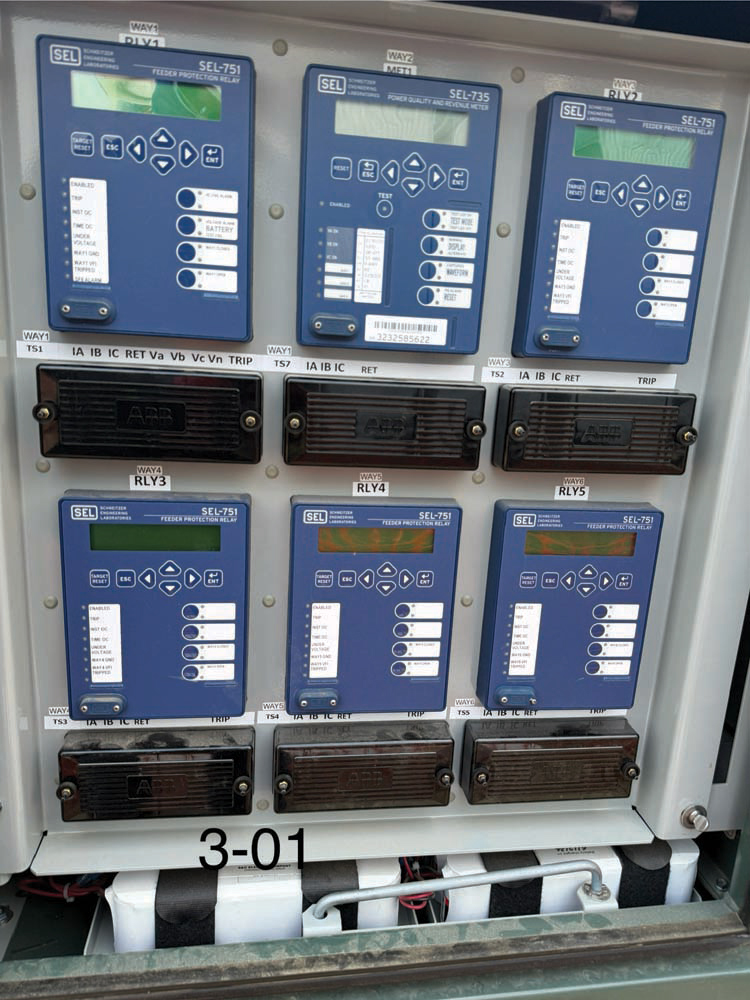
IEC 61850, Modbus, DNP3, and proprietary protocols are used, often in combination. Commissioning must verify not only that devices communicate, but also that they exchange the correct information with the correct devices, using the correct logic and priorities. A communication failure may not immediately trip a breaker, but it can prevent alarms, inhibit automated sequences, or delay fault clearing during an emergency.
Perhaps most importantly, commissioning serves as the final opportunity to identify latent issues before the facility is energized and placed into service. Once a data center goes live, correcting deficiencies becomes significantly more difficult and costly. Unplanned outages, even brief ones, can have far-reaching consequences for owners and end users alike.
Commissioning requires experience, discipline, and a thorough understanding of both equipment and system behavior. ANSI/NETA standards provide critical guidance, but successful commissioning ultimately depends on skilled technicians working collaboratively with engineers, contractors, and owners. When performed correctly, commissioning delivers confidence that the electrical system is safe, reliable, and ready to support the mission-critical demands of modern data centers.
A 138-kV service entrance yard (Photo 8) illustrates the scope of these challenges. Commissioning efforts must confirm system operation from downstream low-voltage equipment back to the utility point of connection. Proper staffing and teamwork are essential, as no single technician can address every aspect of a system of this size and complexity.

CONCLUSION
As reliance on digital infrastructure continues to grow, the importance of reliable power systems cannot be overstated. Acceptance testing and commissioning play a direct role in ensuring that data centers operate safely, reliably, and as intended throughout their service life.
Acceptance testing is critical for identifying defects that could lead to system failure, but it is only one part of the overall process. Commissioning completes system validation by proving functionality under real-world operating conditions. Adherence to ANSI/NETA standards is essential, even under the most demanding schedules, because personnel safety and system reliability depend on it.
ANSI/NETA standards are founded on the principles of safety and equipment reliability. Proper testing ensures safe operation of electrical devices and dependable system performance. As NETA technicians, we have a fundamental responsibility to deliver systems that are safe, reliable, and ready to energize.

Robert Hill is the Regional Director | Acceptance Testing at Vector Power, a NETA Accredited Company. He previously worked at Shermco for 18 years as a Field Technician and then in a project management role. Hill is a NETA Level 4 Senior Technician with an engineering background and serves as a NETA World technical editor.