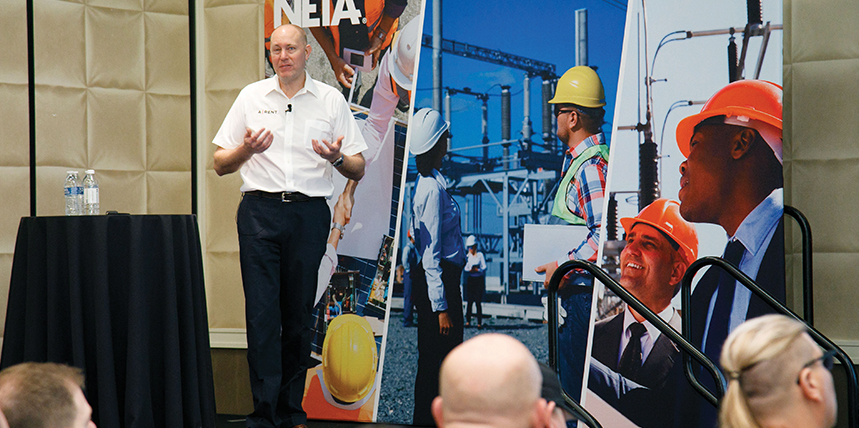
Many companies in our industry are struggling with staffing projects that require qualified workers to meet industry needs as well as individual company growth initiatives. Let’s first explore why it seems more difficult to find employees to execute our projects, then dive into the process necessary to develop those employees into qualified workers. Statistics from the U.S. Bureau of Labor …

The Importance of Apprenticeship Programs
In today’s competitive business environment, investing in workforce development is critical for sustained growth, productivity, and industry leadership. Apprenticeship programs, recognized and approved by the U.S. Department of Labor, provide a comprehensive framework for developing highly skilled professionals, offering businesses a strategic advantage. This article explores the strategic importance of apprenticeship programs for businesses. It highlights the benefits of federal …
Bridging the Gap: Developing a Multigenerational Workforce for the Future of Electrical Testing
How do you build a future-ready workforce when your team communication ranges from texts instead of calls to TikTok in the breakroom? It’s not a rhetorical question. It’s one companies in the electrical testing world face every day. We have Baby Boomers with decades of field wisdom, Gen Xers balancing leadership and independence, Millennials pushing for innovation and flexibility, Gen Z …
Empowering Workforce Development Through Digital Transformation
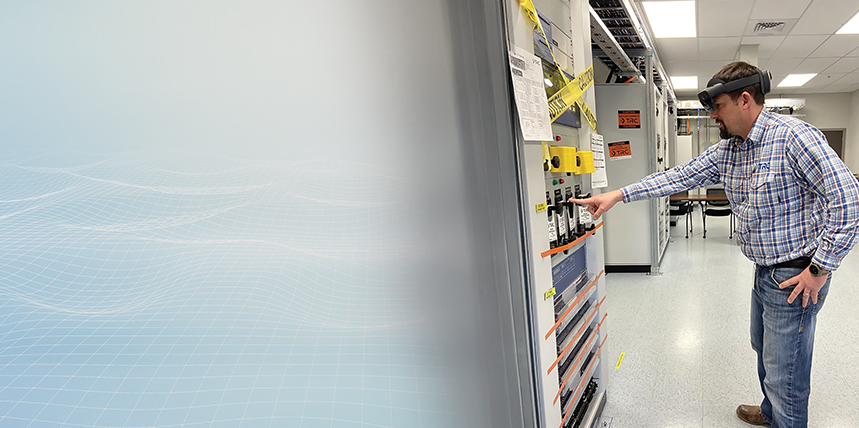
In the rapidly evolving electric utility sector, attracting, developing, and retaining a skilled workforce has never been more critical. As infrastructure modernization accelerates and demand for technical talent intensifies, businesses must take proactive steps to ensure its teams are equipped, engaged, and empowered for success. This article offers an in-depth case example of how TRC employed a digital transformation strategy …
Electrical Field Service Employees’ Intent to Stay or Leave
Maintaining operations and achieving financial goals often requires shifting or reallocating both economic and non-economic resources. One of the top concerns among leaders in the electrical field service industry is the loss of human capital. Over the last three years, I have been involved with a quantitative correlational study that examined the relationship between general job satisfaction, employee motivation, and …
WORKFORCE DEVELOPMENT | NETA Apprenticeship: What It Means to You
Before NETA was established in 1972, electrical testing in the U.S. was fragmented, inconsistent, and largely unregulated, with significant variation in practices depending on region, company, or manufacturer. Various types of companies accomplished the testing. WHO PERFORMED ELECTRICAL TESTING BEFORE NETA? Before NETA, consistent test procedures or pass/fail criteria across different projects, companies, and equipment did not exist. Inadequate or …
Guide to Low-Voltage Distribution Systems
A low-voltage distribution system is the final stage of the electric grid. It is the infrastructure that moves electric power inside buildings and dwellings. Let’s define a low-voltage distribution system. These systems rely on transformers (Figure 1) to step utility voltages down to usable levels. The most common voltages in such systems in the United States include 120, 240, 208, …
Why So Many Partial Discharge Measurement Units?
Partial discharge is a poorly understood phenomenon, made harder to understand because many different units are used to measure it. Making matters worse, sometimes you have to calibrate a test setup, and other times you don’t. This article explains the various units, when and how they are used, and why we calibrate (sometimes). MEASURING PARTIAL DISCHARGE Partial discharge is a pulsed …
Do You Have a Safety Culture? — Part 3
When we left Rob in the Summer edition of Training Talk, he and John, the safety program Manager, had made excellent progress on developing a safety plan that was inherent in every employee. John even acknowledged, “I am starting to understand what you meant by culture change by deepening employee understanding, involvement, and ownership.” “We have a lot of work …
Nurturing a Caring Culture: The Key to Organizational Success
A 2019 EY Belong Barometer study found that over 40% of U.S. respondents reported feeling physically and emotionally isolated in the workplace. This feeling crossed generational, gender, and ethnic lines. Creating a caring workplace is essential for establishing an environment where employees feel valued and supported. But how can this be achieved? It requires intentional effort; such an environment doesn’t just develop …