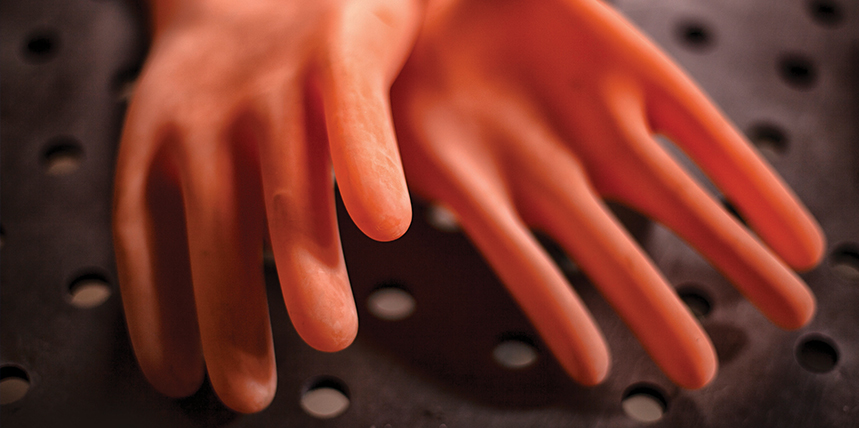
Vehicle Safety for the Workforce

Paul Chamberlain, Asplundh Engineering Services, LLCColumns, Safety Corner, Spring 2022 Columns

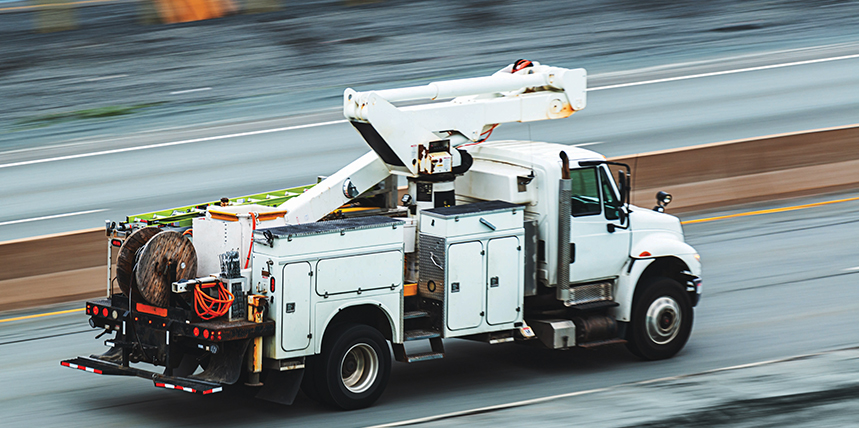
Commuting to and from work by vehicle is a daily routine for many. The COVID pandemic has changed how some organizations operate, forcing many employees to work remotely, but for those who need to be on the job doing physical work, the commute never stopped. For some, driving to a jobsite, client sites, the shop, the parts supplier, and everything …

The Three Arc-Flash Mitigation Levers

Mose Ramieh, CBS Field ServicesColumns, In the Field, Spring 2022 Columns

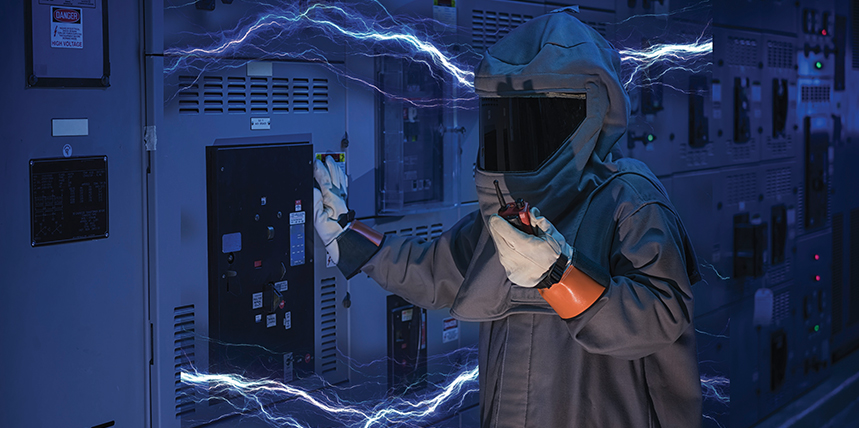
“It’s faster for us to put on the 40-calorie suit to rack breakers out than it is to use the remote racking system,” the customer said — and I wanted to add, “Yes, the remote racking system bought for your safety at a significant investment from your company.” But I did my best to hide my dismay and took the …

Generator Stator Ground Fault Protection

Steve Turner, Arizona Public Service CompanyColumns, Relay Column, Spring 2022 Columns

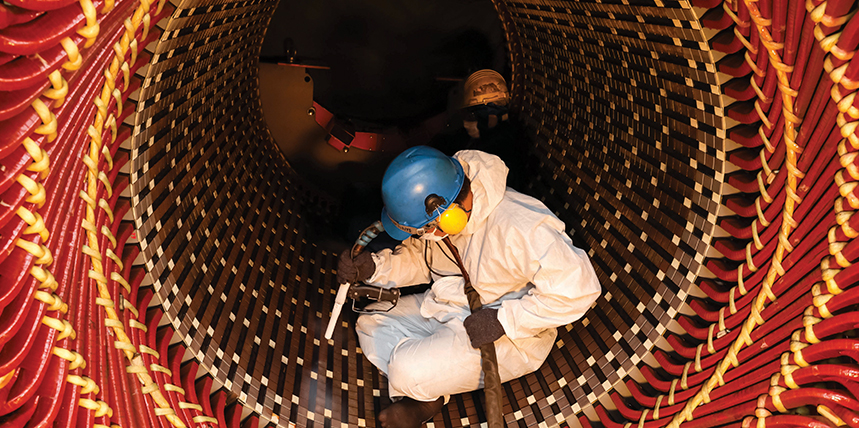
Generator faults are usually serious and can lead to significant repair costs and long outage times. PART I: ANALYSIS Part 1 demonstrates how to analyze a stator ground fault for a large combustion turbine generator. The faulted phase and fault location are determined using fault voltage recorded by the numerical generator protection relay installed for this generator. This information is …

Fault on Feeder M1A: Guidance from NFPA 70E — Part 3

Ron Widup, Shermco IndustriesColumns, NFPA 70E and NETA, Spring 2022 Columns

This is the last in a three-part series of articles as we navigate a 15 kV feeder fault and the subsequent repairs. We have discussed how NFPA 70E is an important tool for the electrical worker to use in the field as they troubleshoot, repair, and restore electrical equipment after a significant fault event, all with an eye on getting the …

Arc-Flash Hazard and Mitigation

Eric Beckman, National Field Services, NETA PresidentColumns, President's Desk, Spring 2022 Columns

First, welcome to Denver and PowerTest 2022. It certainly is nice to be back to an in-person event! This year also happens to be NETA’s 50th anniversary. Be sure to watch out for special events celebrating this anniversary. You won’t want to miss them. There has been so much development in the area of arc-flash hazard awareness and mitigation in …

Kevin Chilton: ‘Training Covers Everything’

NETA World StaffInsights & Inspiration, Spring 2022 Insights & Inspiration

As General Manager of A&F Electrical Testing, Inc., New York’s only independent testing company, Kevin Chilton has built a career specializing in acceptance and maintenance testing to NETA specifications. Rounding the home stretch on a 35-year career, this Level 4 NETA Certified Technician shares lessons and advice for the next generation of electrical testing professionals. NW: How did you find …

Don’t Have a Blast! Best Practices for Arc-Flash Mitigation

David Rewitzer, Hood Patterson & DewarFeatures, Spring 2022 Features

Arc-flash reduction methods must be considered prior to working on energized electrical equipment for personnel safety. The idea behind energy reduction is to place energized electrical equipment in a state where less arc energy is available when an arcing fault occurs. These techniques range from the obvious (de-energize!) to more complex and costly engineering solutions. NEC Article 240.87-2011, initially titled …

A Reliable Arc-Flash Protection System

Hang Li & Deepti Almelkar, Schweitzer Engineering Laboratories, Inc.Features, Spring 2022 Features

An electric arc or arc flash occurs when a high voltage causes ionization of a gas — for example, air. Ionization turns an ordinarily nonconductive gas into conductive gas that can carry a sustained current. The color of a typical arc flash in air is very distinctive. This is because air is composed of 21% oxygen and 78% nitrogen; oxygen …

Impact of Changes to IEEE Std. 1584, IEEE Guide for Performing Arc-Flash Hazard Calculations – Part 1

Steve Park, PE, VertivCover Story, Spring 2022 Cover Story

In 2018, major changes were made to the calculations and procedures for determining arc-flash incident energy levels from the original 2002 edition of the IEEE Std. 1584, IEEE Guide for Performing Arc-Flash Hazard Calculations[1]. Now, three years since its release, facility owners and arc-flash service providers still debate how, when, and where to apply the new calculation methods. While the …

Hand Protection

Paul Chamberlain, Asplundh Engineering Services, LLCColumns, Safety Corner, Winter 2021 Columns

Workers’ hands are the most commonly injured body part. Whether the hazard comes from rotating machinery, pinches between two materials, heat, chemicals, or electricity, your hands are under constant attack. Without them, every task would be difficult to perform. This article identifies the common hazards and risks to a worker’s hands as well as ways to mitigate injuries and promote …