The Importance of Apprenticeship Programs

Elizabeth Douglas, Integrated Power Services, LLCFall 2025 Features, Features

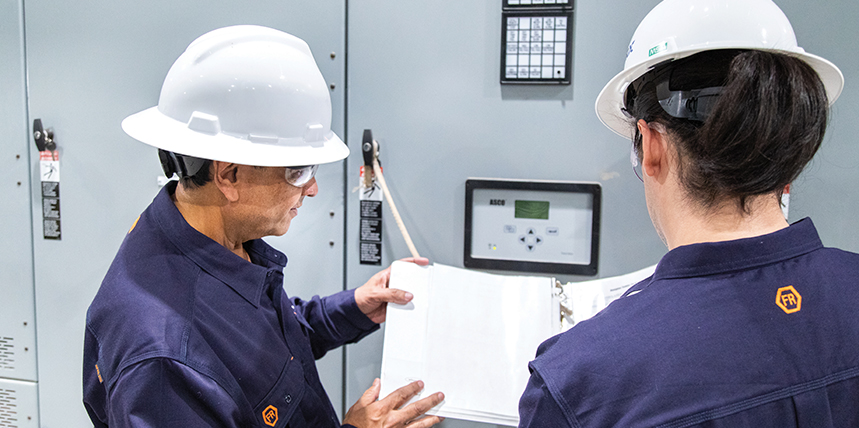
In today’s competitive business environment, investing in workforce development is critical for sustained growth, productivity, and industry leadership. Apprenticeship programs, recognized and approved by the U.S. Department of Labor, provide a comprehensive framework for developing highly skilled professionals, offering businesses a strategic advantage.  This article explores the strategic importance of apprenticeship programs for businesses. It highlights the benefits of federal …

Bridging the Gap: Developing a Multigenerational Workforce for the Future of Electrical Testing

Kristy Swegheimer, RMS Energy Co LLCFeatures, Fall 2025 Features

How do you build a future-ready workforce when your team communication ranges from texts instead of calls to TikTok in the breakroom? It’s not a rhetorical question. It’s one companies in the electrical testing world face every day. We have Baby Boomers with decades of field wisdom, Gen Xers balancing leadership and independence, Millennials pushing for innovation and flexibility, Gen Z …

Empowering Workforce Development Through Digital Transformation

Katie Bleiler, TRC CompaniesFall 2025 Features, Features

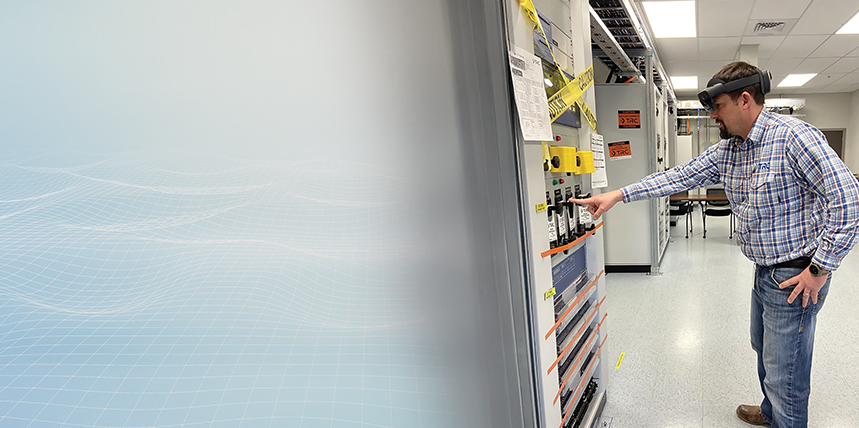
In the rapidly evolving electric utility sector, attracting, developing, and retaining a skilled workforce has never been more critical. As infrastructure modernization accelerates and demand for technical talent intensifies, businesses must take proactive steps to ensure its teams are equipped, engaged, and empowered for success.  This article offers an in-depth case example of how TRC employed a digital transformation strategy  …

Electrical Field Service Employees’ Intent to Stay or Leave

Jeffrey M. Daniels, PhD, CBIONEFall 2025 Features, Features

Maintaining operations and achieving financial goals often requires shifting or reallocating both economic and non-economic resources. One of the top concerns among leaders in the electrical field service industry is the loss of human capital.  Over the last three years, I have been involved with a quantitative correlational study that examined the relationship between general job satisfaction, employee motivation, and …

The Three Pillars: Safety, Quality, and Productivity

Thomas Sandri, Vector PowerFeatures, Summer 2025 Features

Safety, quality, and productivity are closely interconnected in the manufacturing, construction, and electrical services industries. Sacrificing one of these elements inevitably impacts the others. When organizations prioritize maintaining safety, quality, and productivity, they enhance their ability to serve customers effectively and protect their employees and customers. Let’s examine the relationship between these three essential pillars of a strong, sustainable business. …

Building an Electrical Safety Conscientious Confidence through NFPA 70E

Corey Hannahs, National Fire Protection AssociationFeatures, Summer 2025 Features

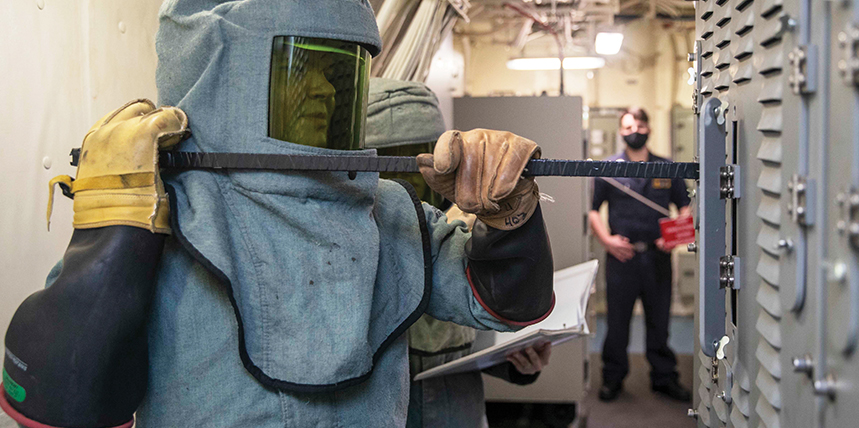
As humans, many people feel they are invincible — until they aren’t. The electrical industry is filled with individuals with tremendous ability to do their jobs. Whether you are an engineer designing an electrical system, an electrical contractor managing the installation, an electrician installing the electrical system, or a manager overseeing workplace electrical safety for an employer, you play a …

Electrical Safety: The Troubleshooting Process and Staying Alive

Tim Conley, CBS Field ServicesFeatures, Summer 2025 Features

Far too many technicians, electricians, and other tradespeople are severely or fatally injured each year due to an electrical issue. From a technician’s standpoint, we are wired to jump on the problem, fix it, and get the plant back up and running, regardless of the necessary actions, because downtime results in lost revenue. We must examine ourselves and address the …

Real-World Causes of Partial Discharge

William Higinbotham, EA Technology LLC, and Jay Prigmore, PhD, Google LLCFeatures, Spring 2025 Features

Over the past decade, we’ve gained critical insights into partial discharge (PD), recognizing it as a real issue that can lead to catastrophic equipment failures. We’ve also developed on-line and off-line methods to detect PD. Yet many still find it unclear why partial discharge occurs and inconceivable that something as simple as a poorly positioned tie-wrap can bring down a data center. …

Navigating On-Site PD Testing Methods to Assess Power Transformer Insulation

Mathieu Lachance and Fabiana Cirino, OMICRON electronics Canada CorpFeatures, Spring 2025 Features

Partial discharge (PD) is a localized dielectric breakdown that only partially bridges the insulation between conductors. PD in transformers can be categorized into two types:  The continuous presence of PD activity in a transformer’s solid insulation during operation can lead to the degradation of surrounding materials and potentially result in a complete failure of the electrical insulation system over time. …

A Blueprint to Solar Testing

Ben Clark, LUMA EnergyFeatures, Winter 2024 Features

Solar performance testing is crucial for verifying the efficiency and reliability of photovoltaic (PV) power systems. As solar installations become more prevalent, it’s essential to have testing plans in place to ensure systems are functioning optimally and meeting expected performance standards. This article explores the key components of a typical solar interconnection site, outlines an effective testing methodology, and discusses …