
The IEEE Transformer Committee was forced to cancel the 2020 spring meeting due to the global pandemic but was able to conduct the fall meeting virtually. Within the Insulating Fluids Subcommittee, a new task force was formed for C57.104, IEEE Guide for The Interpretation of Gases Generated in Oil-Immersed Transformers (DGA). The task force will study how to improve the …
Committee Report: NFPA 70B
The NFPA 70B Committee resumed bi-weekly meetings via video calls on January 8, 2021, to continue work on rewriting 70B as a standard, after just over a month break. The committee is currently working on various items that either need review or need better placement in the document. The first draft meeting will be held in the next few months, depending …

Game Planning for Electrical Safety Success
As I allegedly approach a half century on this earth, reflections on life lessons learned abound. Looking back, there is no question that the most impactful lessons I learned — those I still use every day — came on days that started in the blazing heat of summer and ended in the brisk chill of autumn spent between painted white …

Practical Non-Invasive Partial Discharge Cable Testing
Partial discharge (PD) is a poorly understood phenomenon that can cause catastrophic failure of electrical assets. It can exist at initial commissioning or occur only after decades of use. The dictionary defines partial discharge as: a flashover of part of the insulation system due to a localized electric field greater than the dielectric withstand capability of that part where the …

A Technician’s Approach to Impedance-Based Protective Elements
A power system uses various elements within protective relay schemes, and having a thorough understanding of the theory behind these protective elements is more than useful — if not required — for anyone who comes in contact with them. Design engineers who must execute calculations based on system characteristics and machine capabilities and field technicians who conduct testing, calibration, and …
AVO Training Institute: Providing Customer Training in the Safest Possible Environment
NETA’s Corporate Alliance Partners (CAPs) are a group of industry-leading companies that have joined forces with NETA to work together toward a common aim: improving quality, safety, and electrical system reliability. In our continuing CAP Spotlight series, we highlight some of their individual successes. In this issue, NETA World interviews Ralph Parrett, Manager of Content & Delivery, at AVO Training …
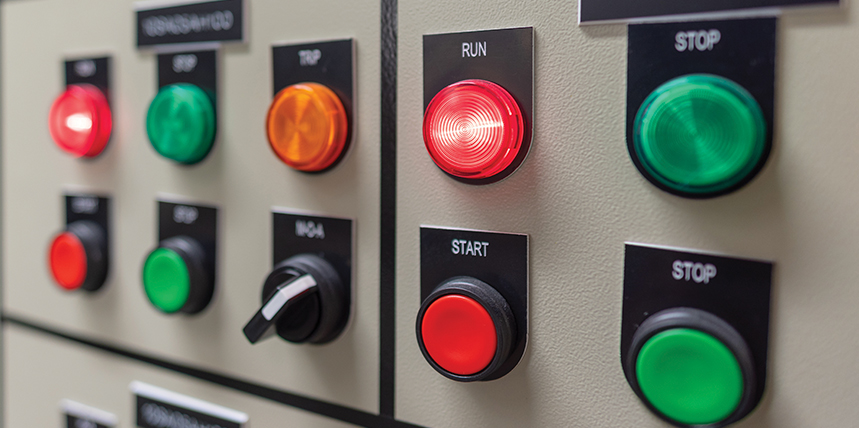
Motor Control Centers
Most electrical equipment manufacturers provide life and performance expectancies with their equipment in the form of operation and maintenance manuals. Life expectancy is based on the premise that equipment has been professionally installed, is maintained in accordance with the manufacturer’s guidelines and recommendations, and is being used per the manufacturer’s designed intent. This premise is also noted in NFPA 70 …
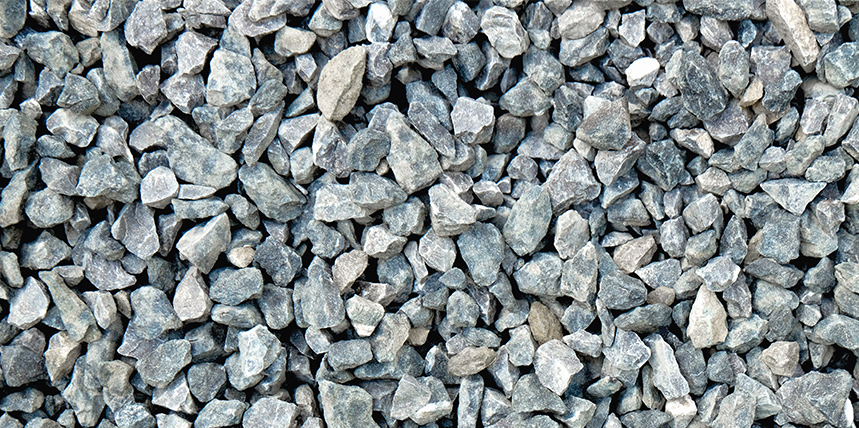
Application of Crushed Rock in Substations
Although it can readily be overlooked, an important and fundamental consideration in any electrical application is safety, and one of the most effective tools in the application of safety is redundancy. If one safeguard fails, there’s another right there to act as a safety net. There’s hardly a greater necessity for redundant safety than in a substation, where arcing could …
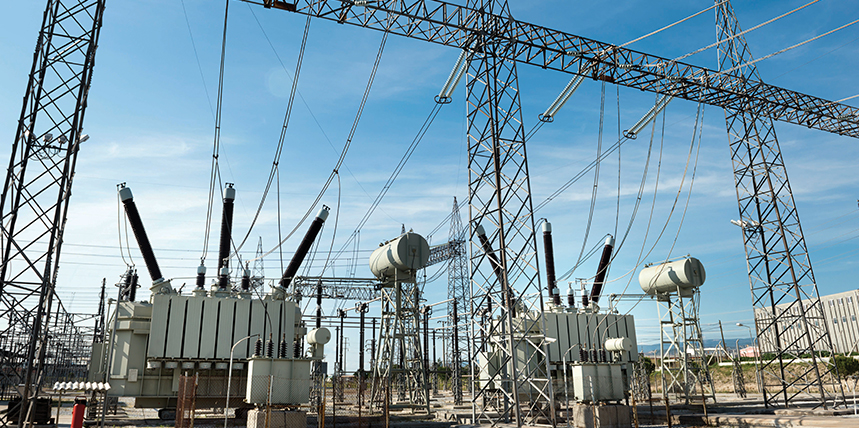
Challenges in Transformer Protection Testing
While the basic premise of transformer differential protection is straightforward, numerous features are employed in modern relay algorithms to compensate for challenges presented by the transformer differential application. As a result, developing appropriate test quantities and properly quantifying results can be challenging with traditional functional differential testing. Challenges in Traditional Functional Testing A traditional functional test assures that all measurements …
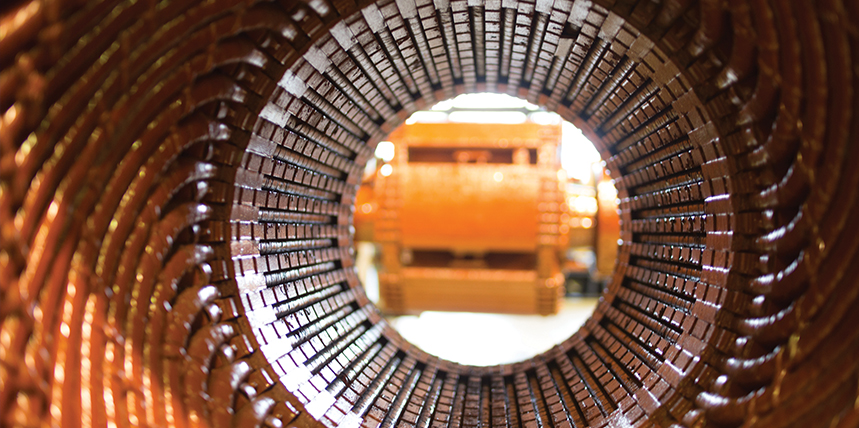
PF Measurements On Complete Stator Windings
Power factor (PF) measurement has been performed on stator windings for many decades and is a widely accepted and recommended tool to assess the insulation system of individual bars/coils and for complete stator windings. The test is known to be sensitive to several global defects such as the degree of curing of the bonding materials, moisture ingress, contamination, and thermal …