

Infrared thermography has long been a cornerstone of electrical panel maintenance, traditionally performed through periodic, time-based inspections using handheld infrared cameras. This method has been widely adopted as a best practice due to its ability to detect early signs of failure, mitigate catastrophic risks, and support the longevity of electrical infrastructure.
However, recent regulatory changes have elevated the role of infrared inspections from recommended practice to mandatory standard. Specifically, the 2023 edition of NFPA 70B®, Standard for Electrical Equipment Maintenance®now requires infrared thermography as an integral component of all electrical maintenance programs.
Under NFPA 70B Section 9.3.1.3, electrical equipment is categorized into three conditions based on its operational status and maintenance history. Condition 3 represents a significant deviation from normal operating parameters and is assigned when equipment has missed two consecutive maintenance cycles, undergone major repairs or replacements, or triggered alerts through continuous monitoring or predictive diagnostics such as infrared thermography. This classification underscores the urgency of intervention and the necessity of robust monitoring systems and now requires infrared inspections to be performed every six months.
The shift toward more frequent inspections reflects a growing consensus on the critical role of infrared diagnostics in maintaining electrical safety and reliability. These inspections not only extend the lifespan of aging infrastructure but also reduce the risk of injury to maintenance personnel by identifying hazardous conditions before they escalate.
INSPECTION REQUIREMENTS
NFPA 70B further refines inspection frequency by linking it to the physical condition of the equipment. Equipment is classified as:
- Condition 1 (like-new)
- Condition 2 (minor deviations)
- Condition 3 (urgent action required)
This condition-based approach replaces the traditional one-size-fits-all model, allowing for tailored inspection schedules that reflect the specific risks associated with each asset.
However, the new standard introduces a significant increase in inspection frequency. For example, while some manufacturers of new switchgear recommend thermal inspections every 60 months, NFPA 70B now mandates a maximum interval of 12 months for all electrical equipment — regardless of age or manufacturer guidelines.
This increase in inspection requirements presents logistical and financial challenges. Maintenance teams, already stretched thin due to staffing shortages and demanding schedules, may struggle to meet these new standards. Missed inspections are not only common but also now carry regulatory consequences. Under OSHA’s General Duty Clause, failure to comply with NFPA 70B can result in citations and fines, further emphasizing the need for reliable and scalable inspection solutions.
INFRARED CAMERA TECHNOLOGY
Recent advancements in fixed infrared camera technology offer a compelling solution to these challenges. These systems enable continuous, condition-based monitoring, eliminating gaps in coverage and reducing reliance on manual inspections. The latest generation of compact, remote infrared cameras represents a transformative shift in how electrical panels are monitored and maintained.
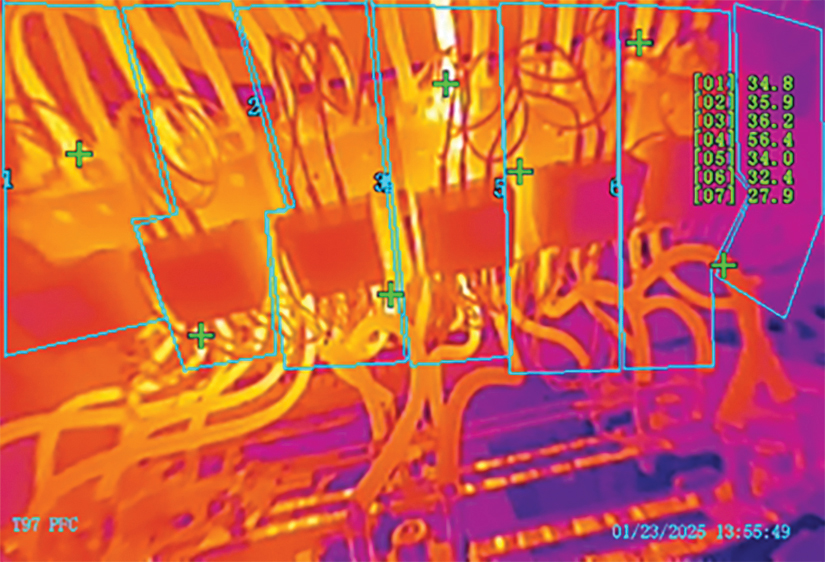
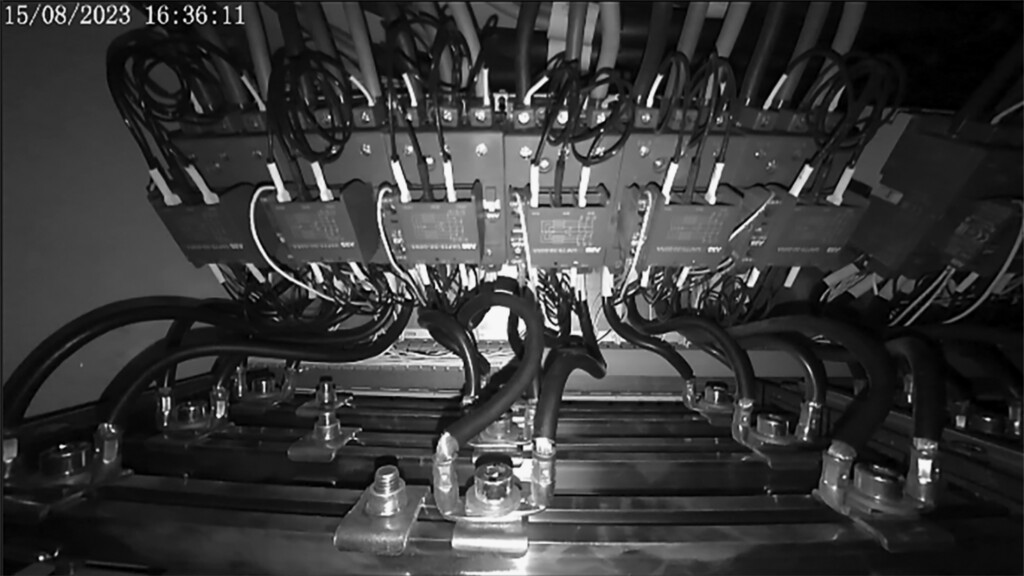
These bi-spectral cameras — capable of capturing optical and infrared images — deliver high-resolution visuals with exceptional sensitivity. This allows precise identification of thermal anomalies, such as overheating components, that may indicate impending failure. For example, a single bi-spectral camera installed inside a wind turbine panel can simultaneously capture infrared and optical images, revealing critical issues like an overheated wire with remarkable clarity. This system is especially critical in wind turbine work, as technicians are not permitted inside the nacelle while it is energized. This means any use of handheld cameras would be totally worthless.
Accompanying software platforms enhance functionality by enabling customizable alert systems. Users can define regions of interest using polygonal overlays and set differential temperature alarms (delta-T), as well as independent high/low temperature thresholds. Alerts can be configured to trigger email notifications or audible alarms, ensuring that anomalies are promptly addressed.
Installation
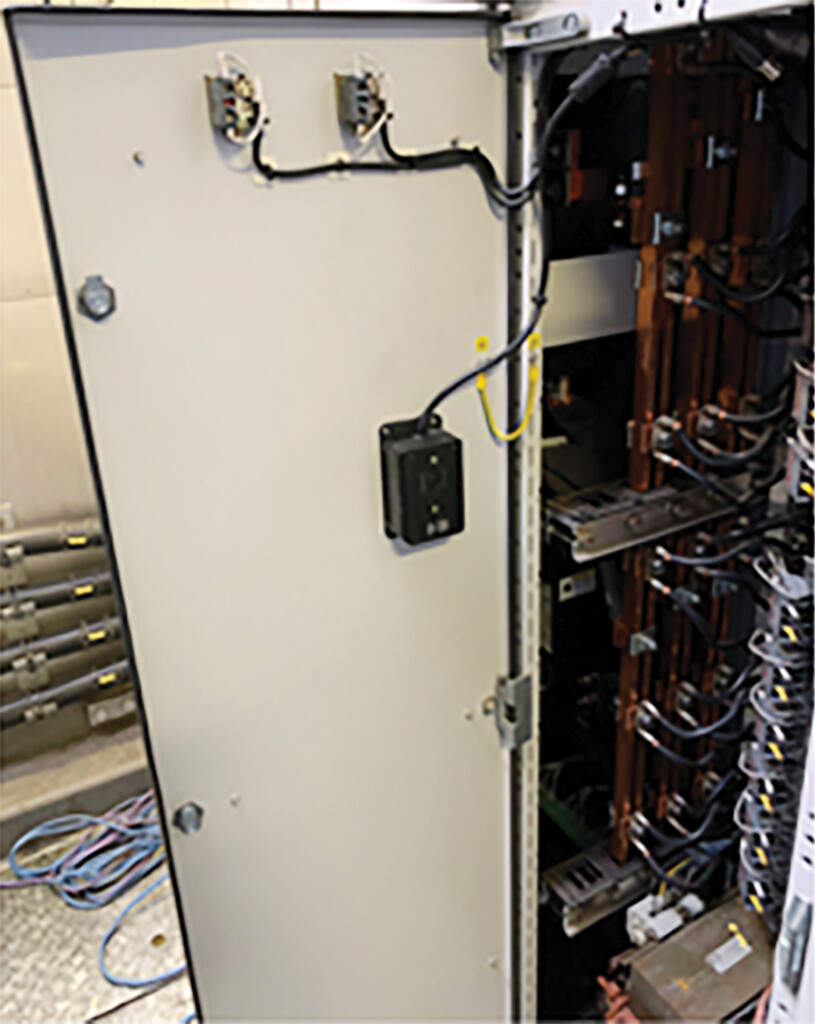
Installation of these systems is safe and efficient. Cameras can be mounted on de-energized panel doors, eliminating live electrical exposure during setup. Many models support Power over Ethernet (PoE), allowing for rapid deployment by trained personnel.
Operation
Once installed, these cameras can operate for up to two years without maintenance, requiring only a brief recalibration that can be scheduled to occur during the annual routine cleaning of the panel. With a typical drift rate of less than 1/1000th°F per year and delta-T the primary alerts of concern, the accuracy of alarms remains reliable over time.
Some units feature magnetic mounts, allowing for flexible placement on cabinet doors without compromising the structural integrity of the enclosure. Their wide-angle lenses provide comprehensive views of internal components, including wires, connectors, and fasteners, facilitating holistic monitoring without the need to open the cabinet.
This approach not only enhances safety by eliminating the need for personnel to access live panels but also removes the requirement for viewing windows, often installed to accommodate handheld inspections. By replacing manual inspections with automated, real-time monitoring, organizations can achieve compliance with NFPA 70B while improving operational efficiency and reducing risk.
DATA MANAGEMENT AND RECORD KEEPING
Beyond automating inspections, modern infrared camera systems offer robust data management and reporting capabilities. Many of these systems integrate seamlessly with enterprise-level platforms, enabling real-time visualization of system health through live feeds, charts, and historical trend analysis. Some systems offer reporting capabilities that can be generated using threat levels aligned with the Electric Power Research Institute (EPRI) hierarchy, providing actionable insights based on the severity of thermal anomalies. These features empower maintenance teams to make informed decisions and prioritize interventions based on risk, not routine. NFPA 70E requires reporting so automating these systems can help provide solutions to increased regulatory requirements.
The ability to integrate thermal monitoring systems into existing enterprise data management platforms (EDMPs) enhances operational transparency. These integrations allow stakeholders to view system health in real time, track performance metrics, and receive alerts through centralized dashboards. This level of visibility fosters confidence in the reliability of electrical systems and supports proactive maintenance strategies.
CONTINUOUS CONDITION-BASED MAINTENANCE
In aging electrical infrastructure, even brief lapses in monitoring can lead to rapid escalation of faults. Unexpected shutdowns are costly and disruptive, and often avoidable with early detection. Fixed, non-contact infrared camera systems eliminate these gaps by providing continuous, condition-based monitoring, ensuring that no inspection is missed and no anomaly goes unnoticed.
CONTACTLESS INSPECTIONS
The concept of safety by design has gained traction across industries, emphasizing the importance of engineering solutions that inherently reduce risk. In the context of electrical maintenance, remote infrared monitoring exemplifies this principle. A 2013 report published in the May 31, 2013, edition of Industrial Safety & Hygiene News estimates that, on average, 30,000 arc flash incidents occur every year in the United States, or about 5–10 per day. The report went on to say that those incidents resulted in annual totals of 7,000 burn injuries, 2,000 hospitalizations, and 400 fatalities. Costs incurred from arc flash damage can reach millions of dollars in employee claims, insurance costs, equipment replacement, and lost productivity.
The risk, frequency, and severity of arc flash events make it imperative that plants employ a host of mitigation processes to pave a safer path for workers who maintain electrical distribution, power control, and protection systems. Proper installation of these systems throughout an entire facility with the panels placed in lock-out/tag-out after installation, would mean technicians could do their jobs without ever opening electrical enclosures under electrical load or having physical contact with live electrical panels.
A TRANSFORMATIVE SOLUTION
Fixed infrared camera systems offer a transformative solution. By combining high-resolution thermal and optical imaging with intelligent software, these systems enable comprehensive health assessments without requiring personnel to open cabinet doors. This not only dramatically reduces the risk of arc flash during inspections but also aligns with NFPA 70E Article 105, which mandates hazard elimination as the top priority in safety-related work practices.
While infrared viewing windows have historically provided a safer alternative to opening enclosures, they are inherently limited. These windows offer only point-in-time snapshots and often suffer from misalignment with critical components. In many cases, thermographers must still open cabinets to achieve the necessary angle, defeating the purpose of the safety measure.
Moreover, internal barriers such as plexiglass shields — installed to protect personnel — can obstruct infrared readings. Because IR energy reflects off these surfaces, cameras cannot detect heat signatures behind them. To comply with inspection standards, these barriers are often removed, increasing risk. Fixed infrared cameras resolve this issue by allowing installation during de-energized conditions. Once installed, the system operates under lockout/tagout protocols, maintaining safety while delivering uninterrupted monitoring.
HIGH ENERGY HAZARDS
High-energy electrical systems pose significant hazards during manual inspections. Many thermographers avoid opening cabinets with incident energy ratings exceeding high. Some set their personal threshold rating as low as 34 cal/cm² due to the extreme risk of arc flash. Since fixed camera systems eliminate the need for physical access, they enable safe monitoring of even the most dangerous equipment.
Additionally, to accurately detect heat-related issues, NFPA 70B requires that inspections be conducted under normal load conditions, typically at or above 40% of rated capacity. Scheduling handheld inspections during peak load periods can be impractical or unsafe. Continuous remote monitoring ensures that data is captured during optimal load conditions, improving diagnostic accuracy and reducing risk.
THERMOGRAPHER MISINTERPRETATION
One of the most significant advantages of fixed infrared systems is their ability to deliver consistent and accurate data. Regions of interest can be predefined, and emissivity values can be calibrated during installation. With fixed camera angles and stable settings, the risk of human error is minimized. Unlike handheld inspections, which vary based on the thermographer’s skill and interpretation, fixed systems provide standardized readings that can be trusted and acted upon with confidence.
ADVANTAGES OVER THERMALCOUPLES
Thermocouple-based systems have long been used for condition-based monitoring, offering valuable temperature data from specific contact points. However, their limitations are increasingly apparent. Thermocouples cannot detect anomalies in components they are not physically attached to, nor can they monitor wiring or connectors that may exhibit early signs of failure.
Thermal cameras, by contrast, provide a holistic view of the entire panel, including wires, bolts, and connectors. This broader perspective enables earlier detection of issues — often months in advance — and supports root cause analysis that thermocouples alone cannot achieve. For example, wiring may begin to overheat long before the connected component shows signs of stress. Identifying these early indicators can prevent failures and improve system reliability.
FINANCIAL BENEFITS
The financial benefits of infrared thermography are well-documented. By preventing equipment failures, reducing downtime, and improving energy efficiency, these systems contribute to significant cost savings. As the demand for qualified thermographers driven by NFPA 70B compliance increases, the cost of manual inspections is expected to rise. With an aging workforce and limited availability of trained personnel, reliance on handheld inspections may become unsustainable.
Fixed infrared systems mitigate these challenges by automating inspections and reducing dependence on human expertise. They also eliminate common sources of error, such as incorrect emissivity settings or misinterpretation of reflective surfaces. Early detection of overheating components can prevent fires, reduce insurance claims, and protect critical infrastructure.
The new NFPA 70B requirements mandating thermal inspections up to five times more frequently than previous standards have placed unprecedented pressure on maintenance operations. Scheduling conflicts, aging infrastructure, a shrinking pool of qualified personnel, and operational disruptions caused by manual inspections all point to a clear need: Automated, condition-based maintenance is no longer a luxury. It is a necessity.
Fixed infrared camera systems offer a low-cost, high-impact solution that aligns with regulatory demands while enhancing safety, accuracy, and efficiency. These systems not only fill the gaps left by traditional inspections but also empower organizations to stay compliant, reduce risk, and optimize performance.
CONCLUSION
As aging infrastructure faces increasing strain and regulatory standards push maintenance teams to their limits, the need for smarter, safer solutions has never been greater. Infrared thermography remains one of the most effective tools for detecting early signs of electrical faults, whether caused by loose connections, dust accumulation, or component degradation.
While handheld infrared inspections have served the industry well, they are inherently limited by their point-in-time nature and the risks they pose to technicians. These inspections often leave large gaps in system knowledge and expose personnel to hazardous conditions. Fortunately, the technology needed to overcome these limitations is already here.
The latest generation of fixed infrared cameras and intelligent software platforms enables continuous, real-time monitoring of electrical panels. These systems support preventive and predictive maintenance, offering actionable insights that reduce downtime, improve safety, and extend equipment life. By automating inspections and integrating with enterprise data systems, they also reduce the burden on maintenance crews and ensure compliance with evolving standards.
Ultimately, the goal of every maintenance program is uptime, and uptime depends on knowing when to act. With fixed infrared systems, organizations gain the foresight needed to replace components before failure, protect personnel from arc flash incidents, and maintain operational continuity. Every time a panel door is opened, it is logged automatically, meaning your records are always up to date. In a time of rising demands and shrinking resources, these technologies offer a path forward that is both practical and transformative.
REFERENCES
- National Fire Protection Association. “NFPA 70B is a Critical Tool for Reliability and Safety,” NFPA Blog.
- National Fire Protection Association. NFPA 70E Standard Development, NFPA Codes and Standards.
- Electric Power Research Institute. EPRI Codes and Standards, EPRI Actions, Codes, and Standards.
- Emerson. (n.d.). Arc Flash Safety: Create a Plan for Compliance. Emerson Electric Co.
- Mehta, Benita. “Arc Flash Incident Case Studies,” Industrial Safety & Hygiene News. (2013, May 13).

John Anderson began working with infrared technology over twenty years ago and joined SYTIS as its Chief Operating Officer in 2024. A graduate of UC San Diego, he is a biologist and biochemist who has held a myriad of positions in industries as varied as semiconductor manufacturing and gas detection. He has always been interested in ways to make the workplace safer and is a member of the Tiger Teams for LDES, grid safety, and grid security at Sandia National Labs. His passion is working with safety committees such as ANSI A10, ANSI Z-359, and TAUC.