Welcome to the Winter Edition

Scott Blizard, American Electrical Testing Company LLCPresident's Desk, In Every Issue, Winter 2020 Columns

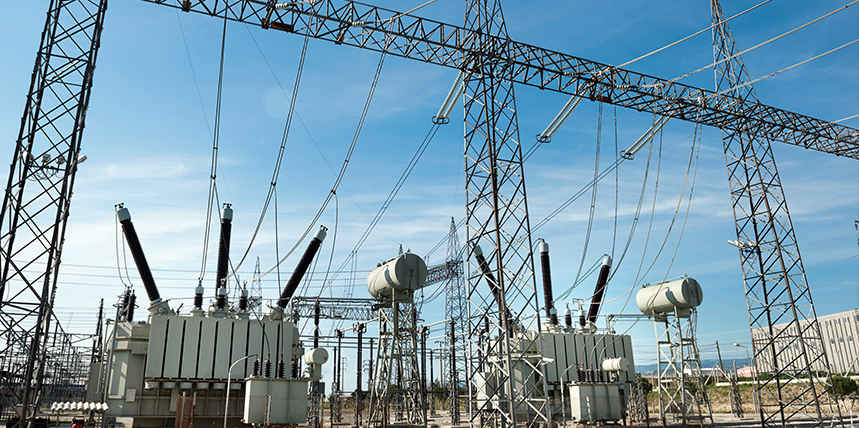
This edition of NETA World features articles on electrical power system protection. Protection schemes covering feeder, generation, transmission, and transformers may have many similarities, but they often contain specific functions or schemes unique to that type of equipment.  Be sure you check out this edition’s four feature articles: “Challenges in Transformer Protection Testing,” by Scott Cooper of OMICRON electronics “Testing …

Medium-Voltage Grounding

Jeffrey R. Jowett, MeggerFall 2020 Columns, In Every Issue, Tech Tips

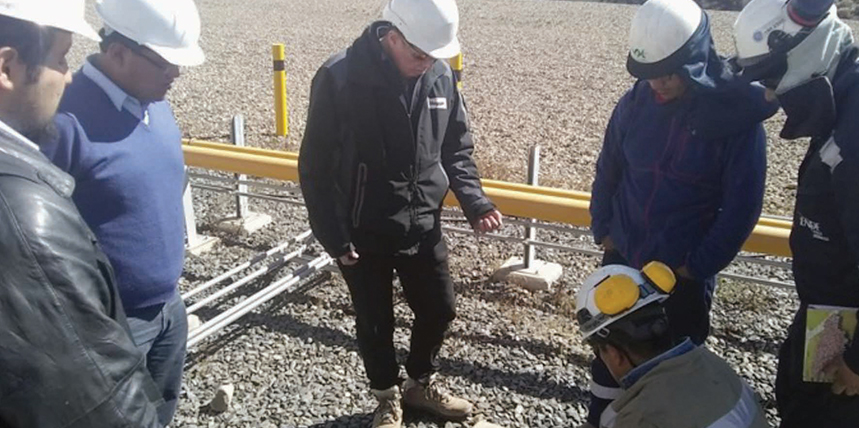
First, let’s look at some industry-accepted definitions to establish context. Low voltage is anything below 1 kV. The common building-wiring voltages are 120, 240, 480, and 600 V. To the uninitiated, this can seem confusing and even ridiculous. Get across 600 V, and it can fry you like bacon, but in industry parlance, it is still low voltage. Put into …

Cable Testing

James R. White, Shermco IndustriesFall 2020 Columns, In Every Issue, Tech Quiz

Cable testing is one of the oldest forms of testing in the industry. At first, cables were tested using DC voltages, but this was found to damage newer cable types, so additional cable testing methods were developed. This issue’s Tech Quiz takes a look at cable testing. 1. During the early years of cable testing, which two primary types of …

Programs, Policies, Manuals, Procedures, and Training

Paul Chamberlain, Asplundh Engineering Services, LLCFall 2020 Columns, In Every Issue, Safety Corner

Many regulatory agencies direct which documents are required to perform a company’s tasks. In some cases, federal and state requirements must be adhered to for the same task or hazard. For example, the United States Environmental Protection Agency (US EPA) and state environmental agencies, such as the Massachusetts Department of Environmental Protection (MA DEP), regulate potential environmental impacts that may …

Drones & Spaghetti Dinner

Don A. Genutis, RESA PowerFall 2020 Columns, In Every Issue, In the Field

May 2020 was a difficult month for our nation, and 2020 is certainly shaping up to be a difficult year. As essential service providers, many in our industry were called upon to maintain or continue building the nation’s infrastructure. We all understand and appreciate that hospitals, emergency services, government facilities, manufacturing, and even residences could not function without power, and …

Effect of CT Saturation on Transformer Differential Protection

Steve Turner, Arizona Public Service CompanyFall 2020 Columns, In Every Issue, Relay Column

This article demonstrates how CT saturation can adversely affect transformer differential protection and how to easily mitigate its effects via inbuilt relay functions. The solution is to provide calculations and simulation for a three-phase fault on the low side of the transformer just external to the CTs. Application The application is for a three-phase delta-wye connected transformer serving station load …

NFPA 70E–2021 Is Here — How Did That Happen?

Ron Widup and James (Jim) R. WhiteFall 2020 Columns, In Every Issue, NFPA 70E and NETA

In September 2020, the newest (2021) edition of NFPA 70E, Standard for Electrical Safety in the Workplace® will be available to the industry. So how is it that such an important safety standard, put forth as a national consensus document, is reviewed, revised, and improved every three years? We’ll look at the process a little later in this article. But …

Medium-Voltage Cables

Scott Blizard, American Electrical Testing Company LLCFall 2020 Columns, In Every Issue, President's Desk

Welcome to the fall edition of NETA World. In this issue, our authors cover the various methods for performing testing on medium-voltage cables. I recommend you start with the article by Tom Sandri of Shermco Industries, which lays out the current test methods for acceptance and maintenance testing of medium-voltage cables. Next, dive into the articles on specific testing methods …

Tracing Ground Leakage with a Clamp-Meter

Jeffrey R. Jowett, MeggerIn Every Issue, Summer 2020 Columns, Tech Tips

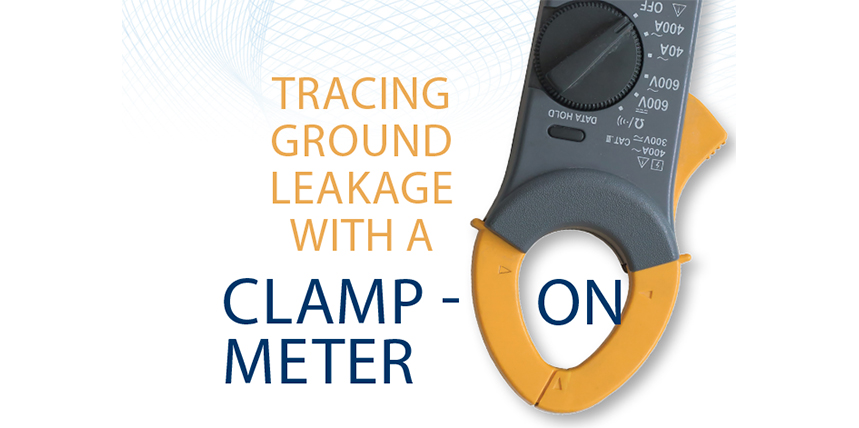
The clamp-on current meter that appeared in the late 20th century was a blessing to everyone working in electrical testing. It improved the vital measurement of one of the three components of Ohm’s Law by a quantum leap. No more difficult, costly, time-consuming, and potentially dangerous direct connections to live circuitry. Just clamp a pair of jaws around a conductor …